Propaganda in the Energy Sector
When you hear the word propaganda, what comes to mind first? Politics, diplomacy… maybe media? But what about the energy sector?
Disinformation and propaganda surrounding Ukraine’s energy sector often seek to undermine public trust in the government and energy companies, shift responsibility for power shortages from Russia to Ukraine, downplay the humanitarian impact of attacks on infrastructure, spread misleading narratives around renewables, and weaken public resolve to save energy.
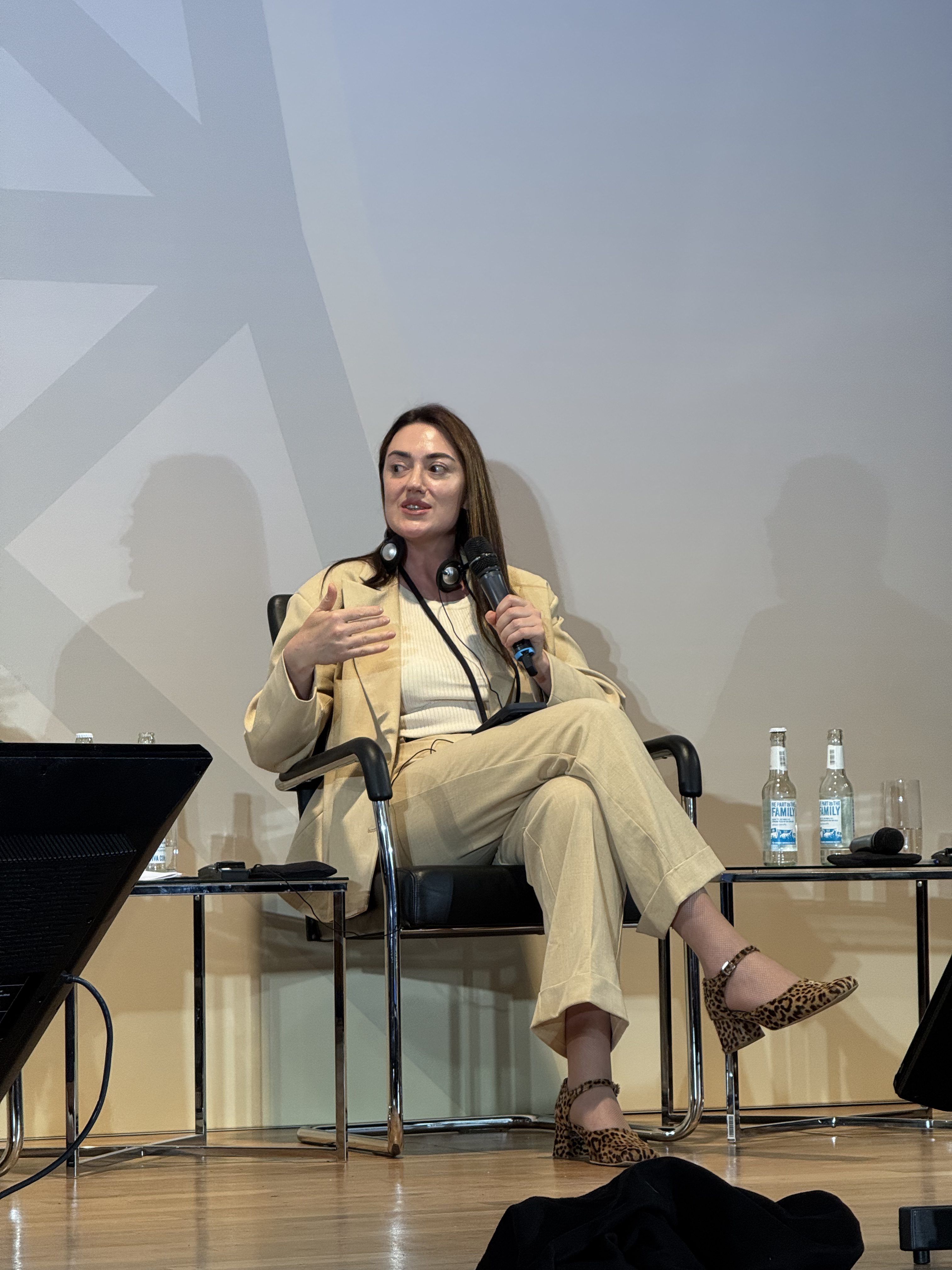
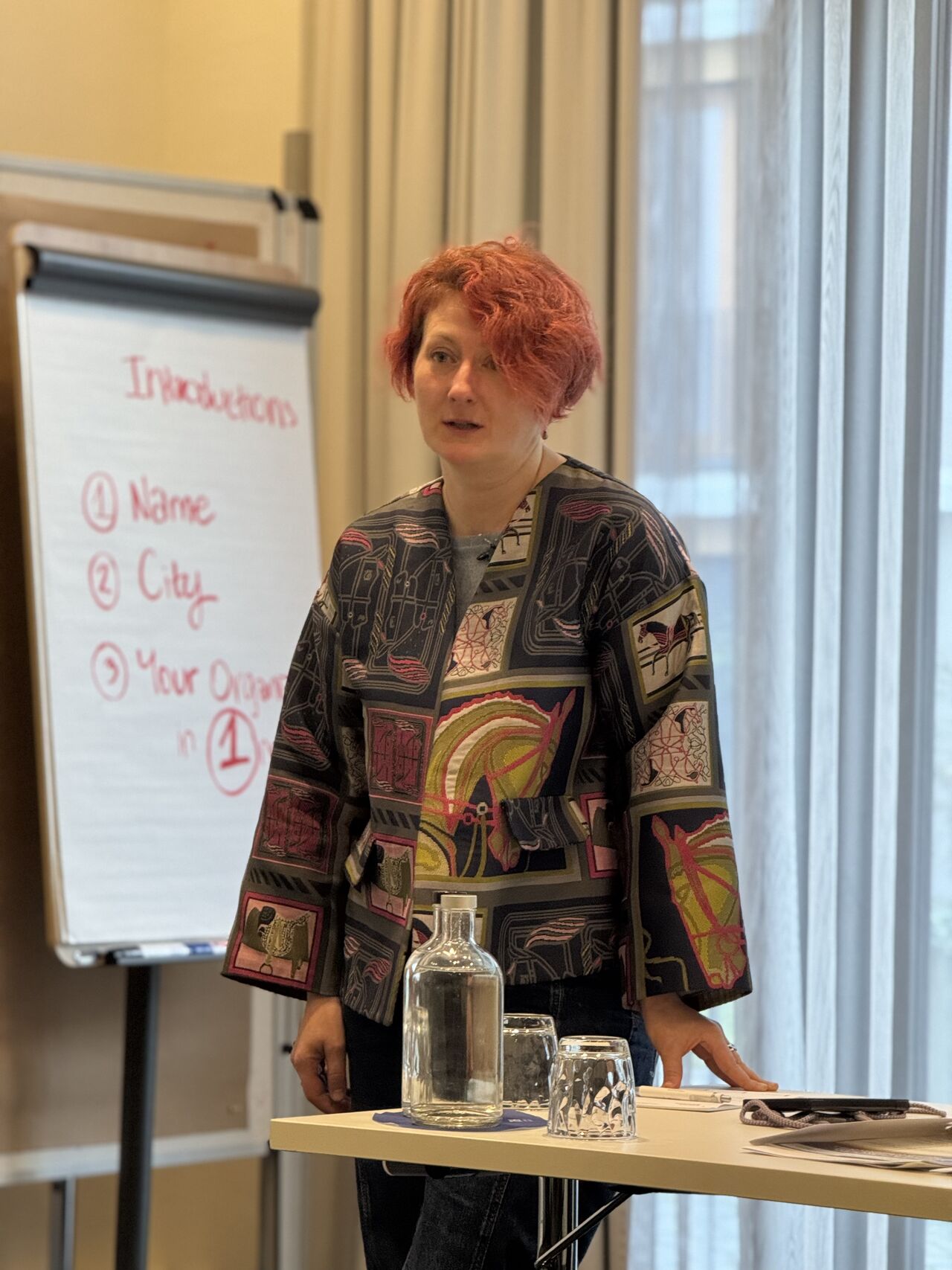
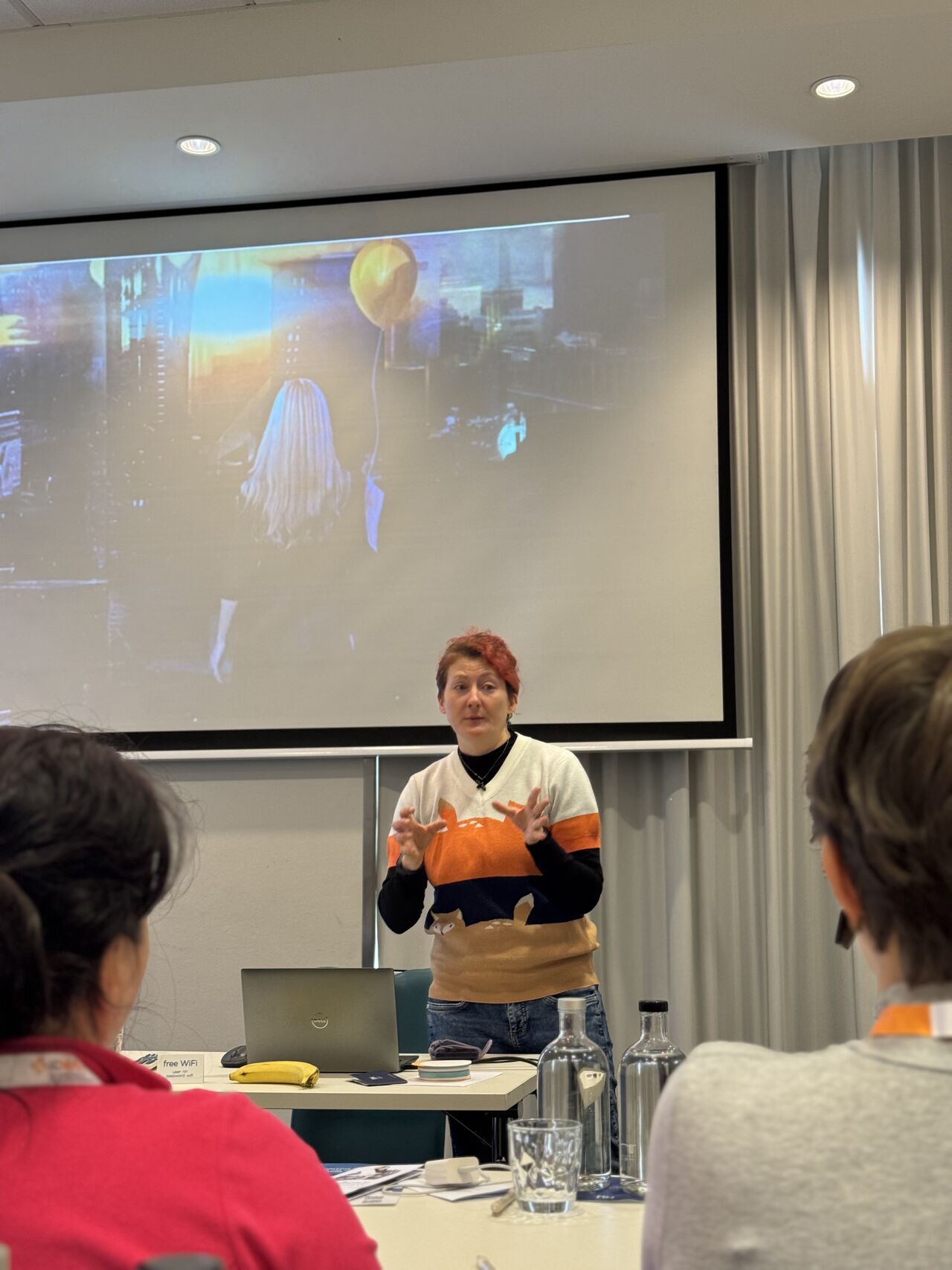
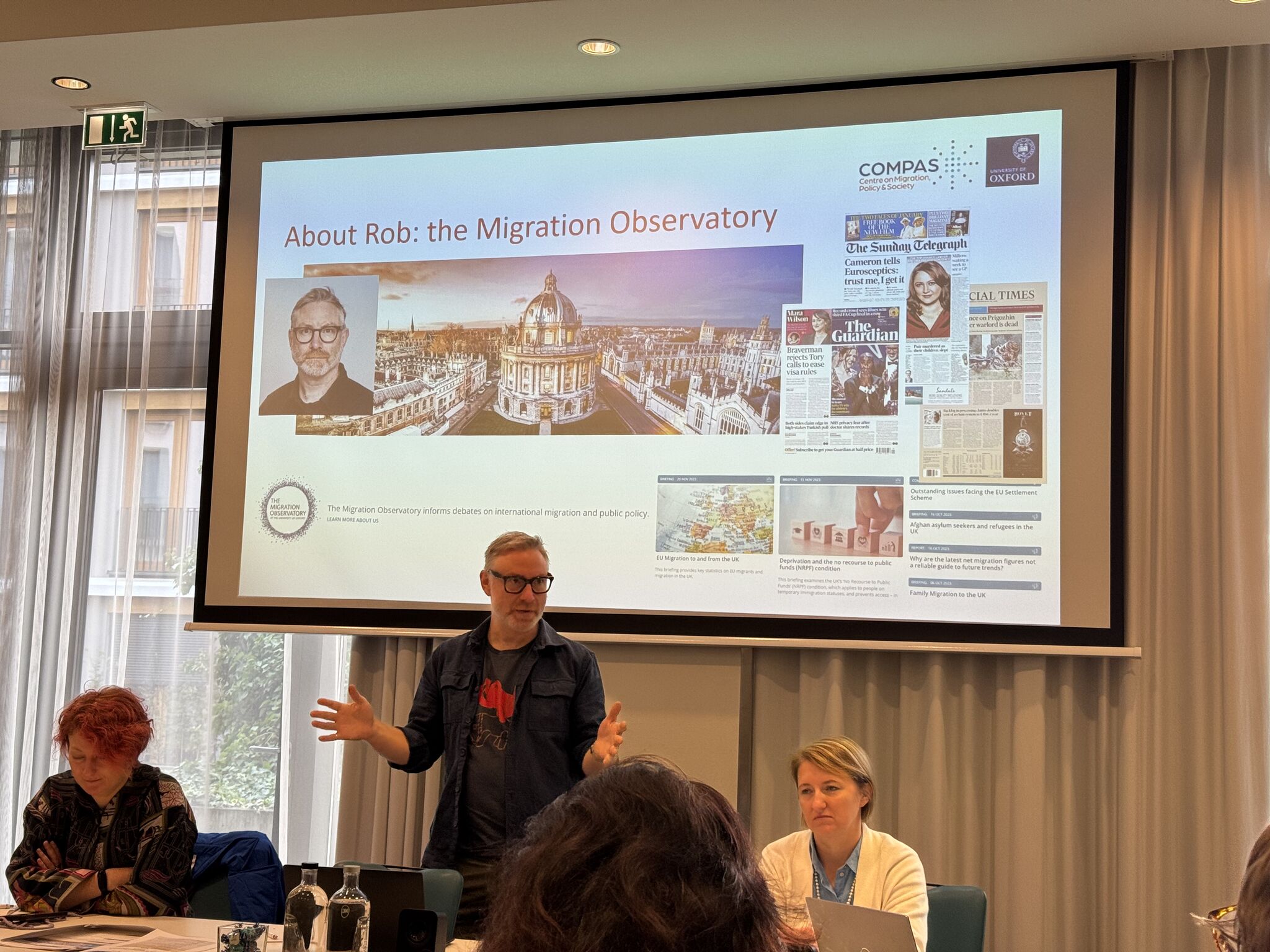
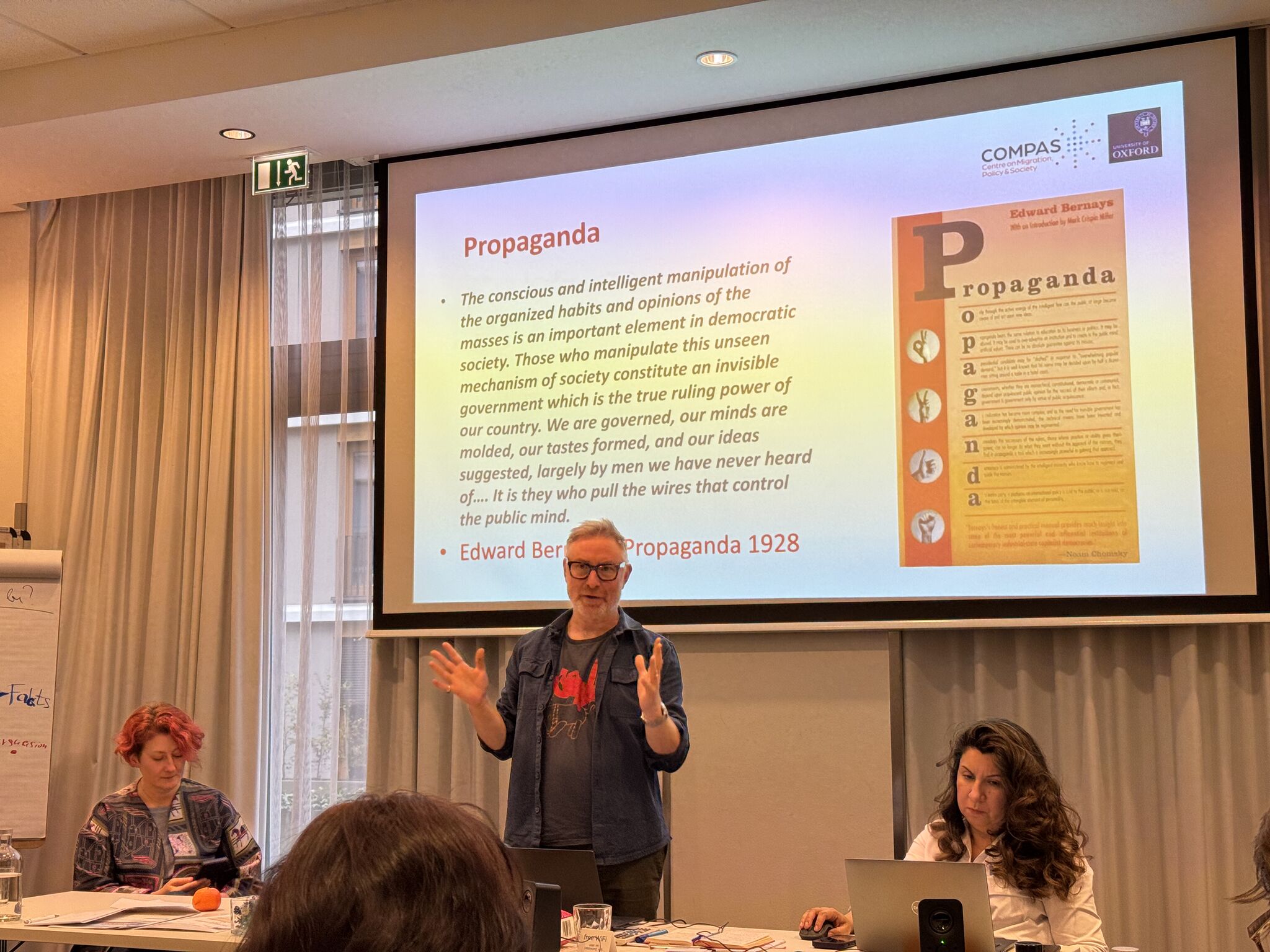
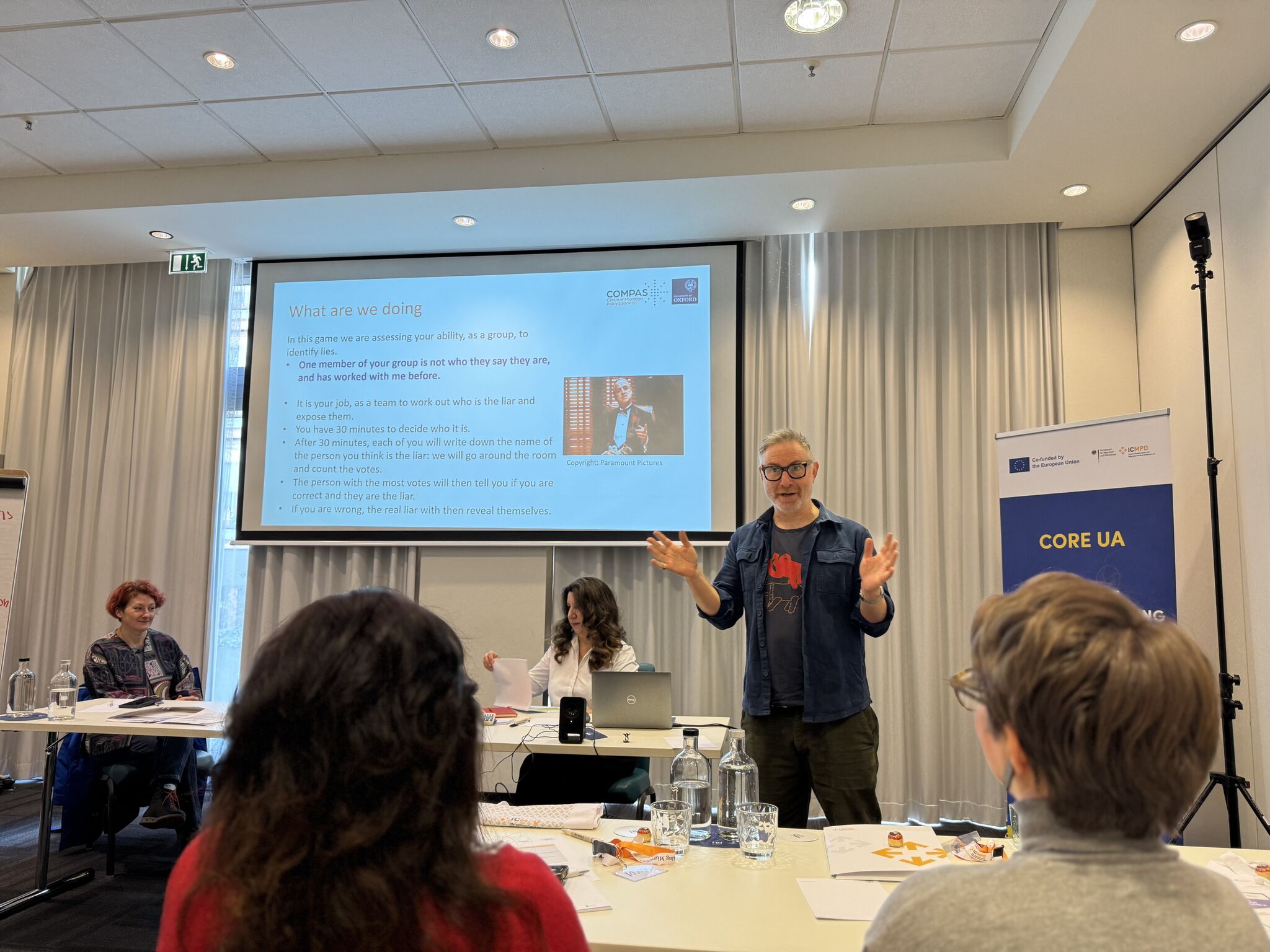
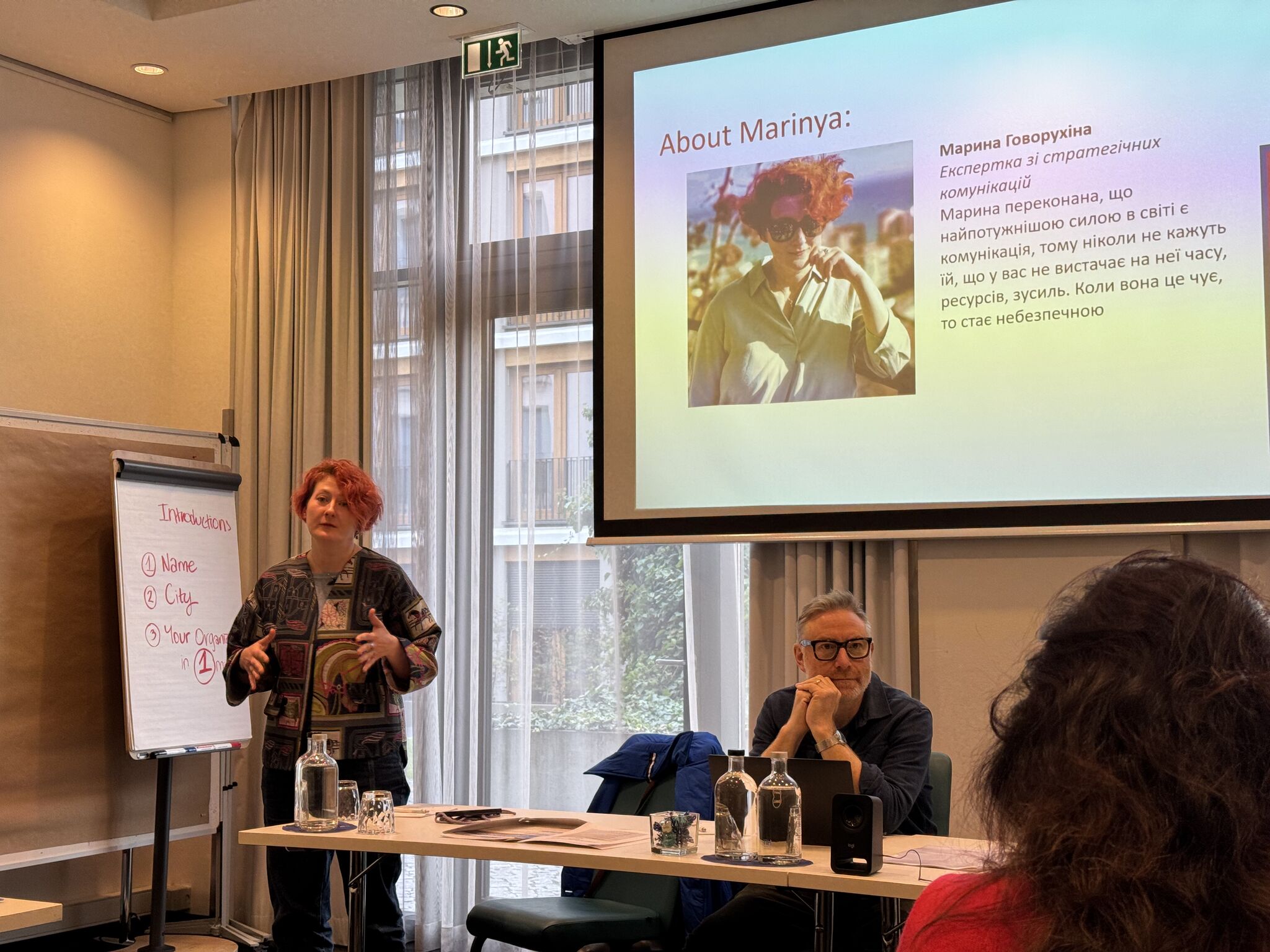
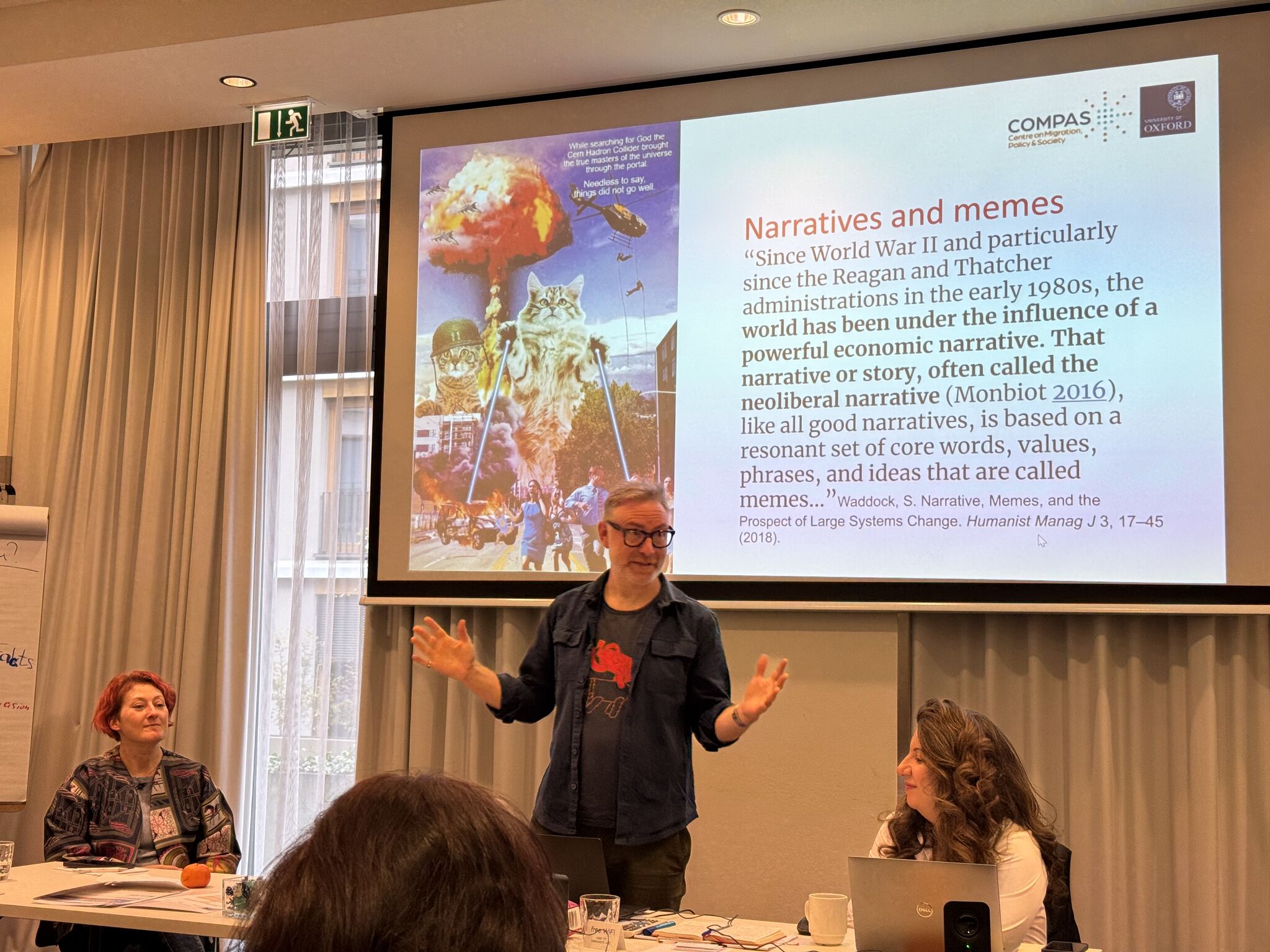
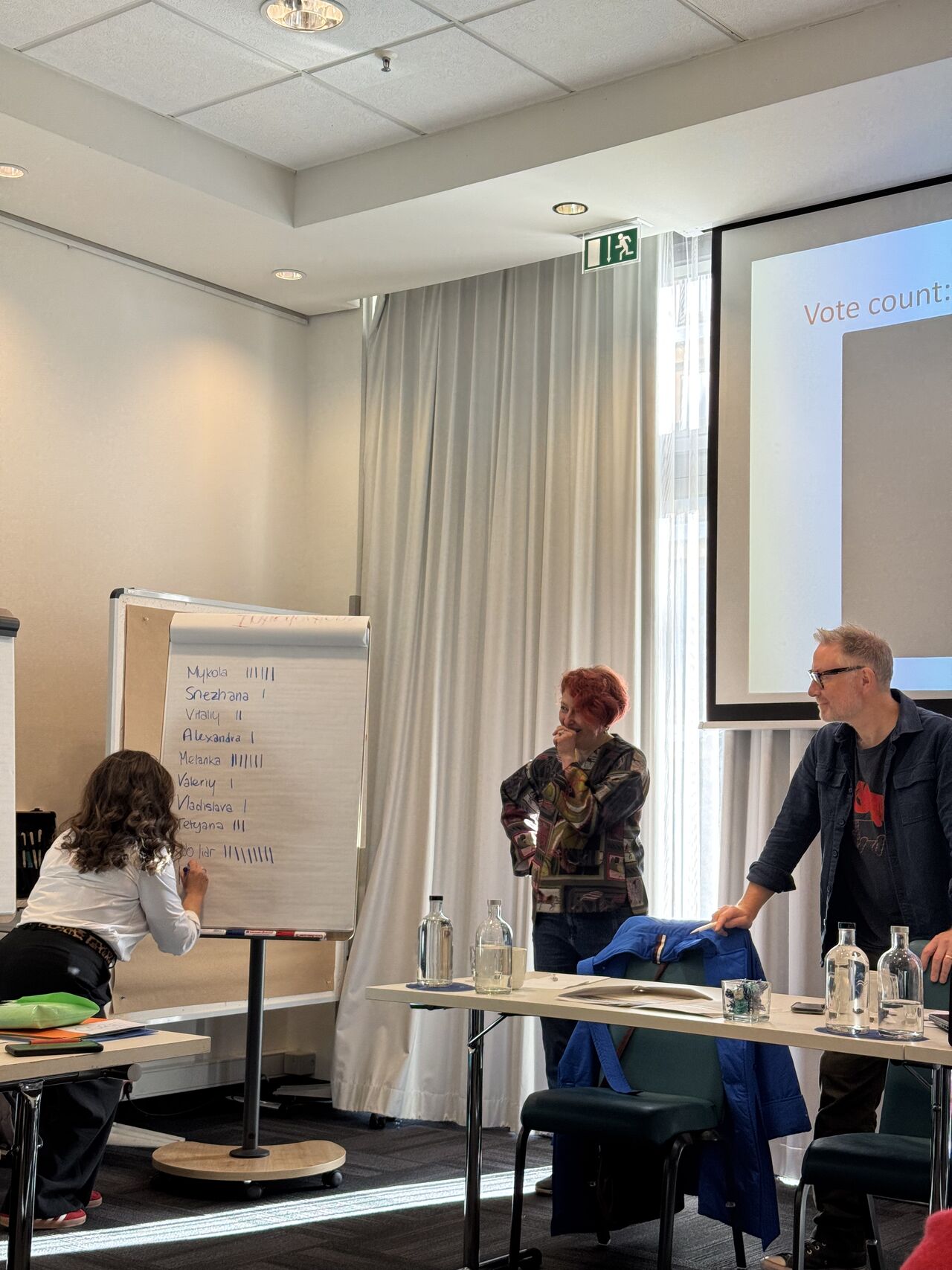
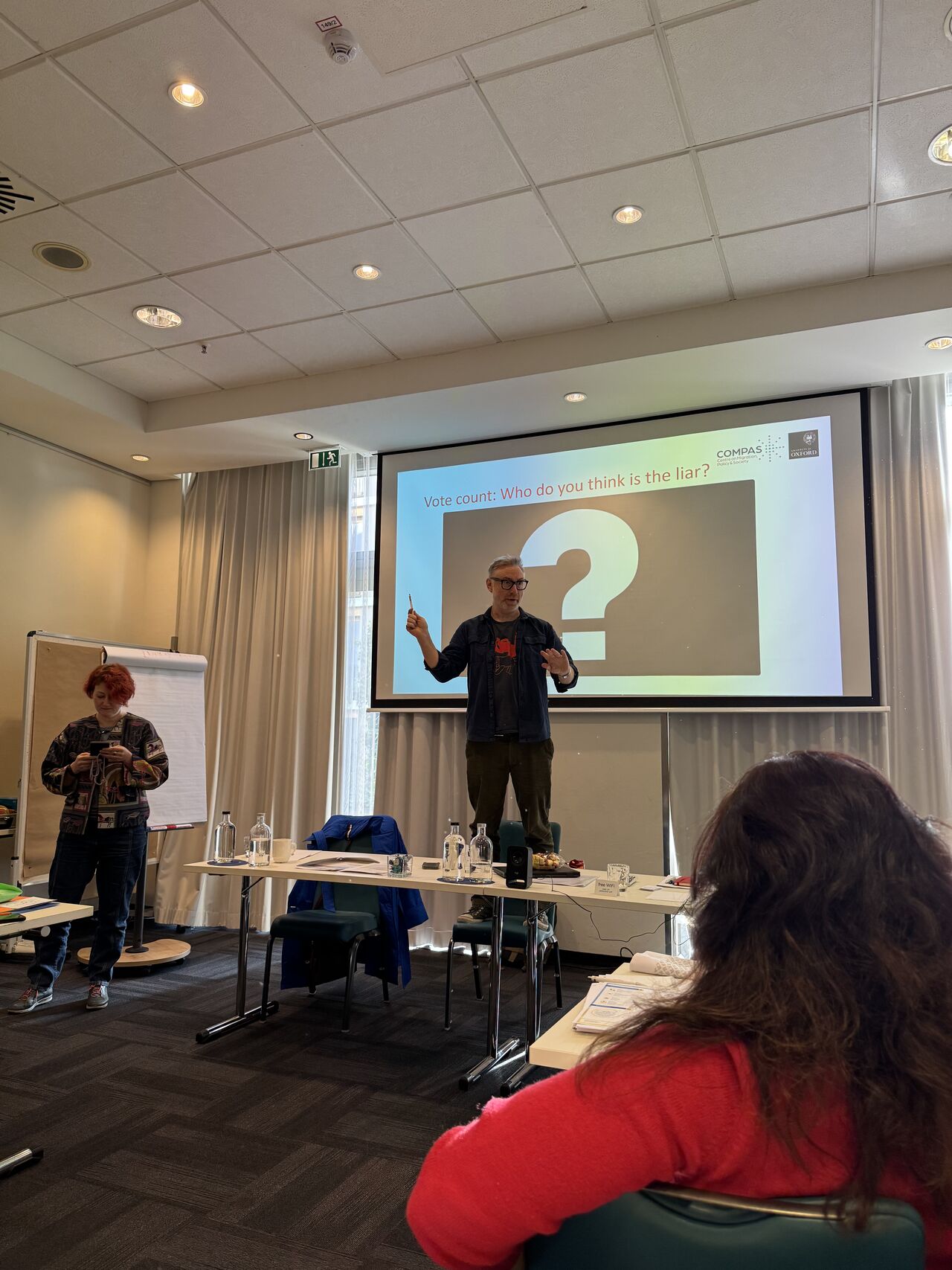
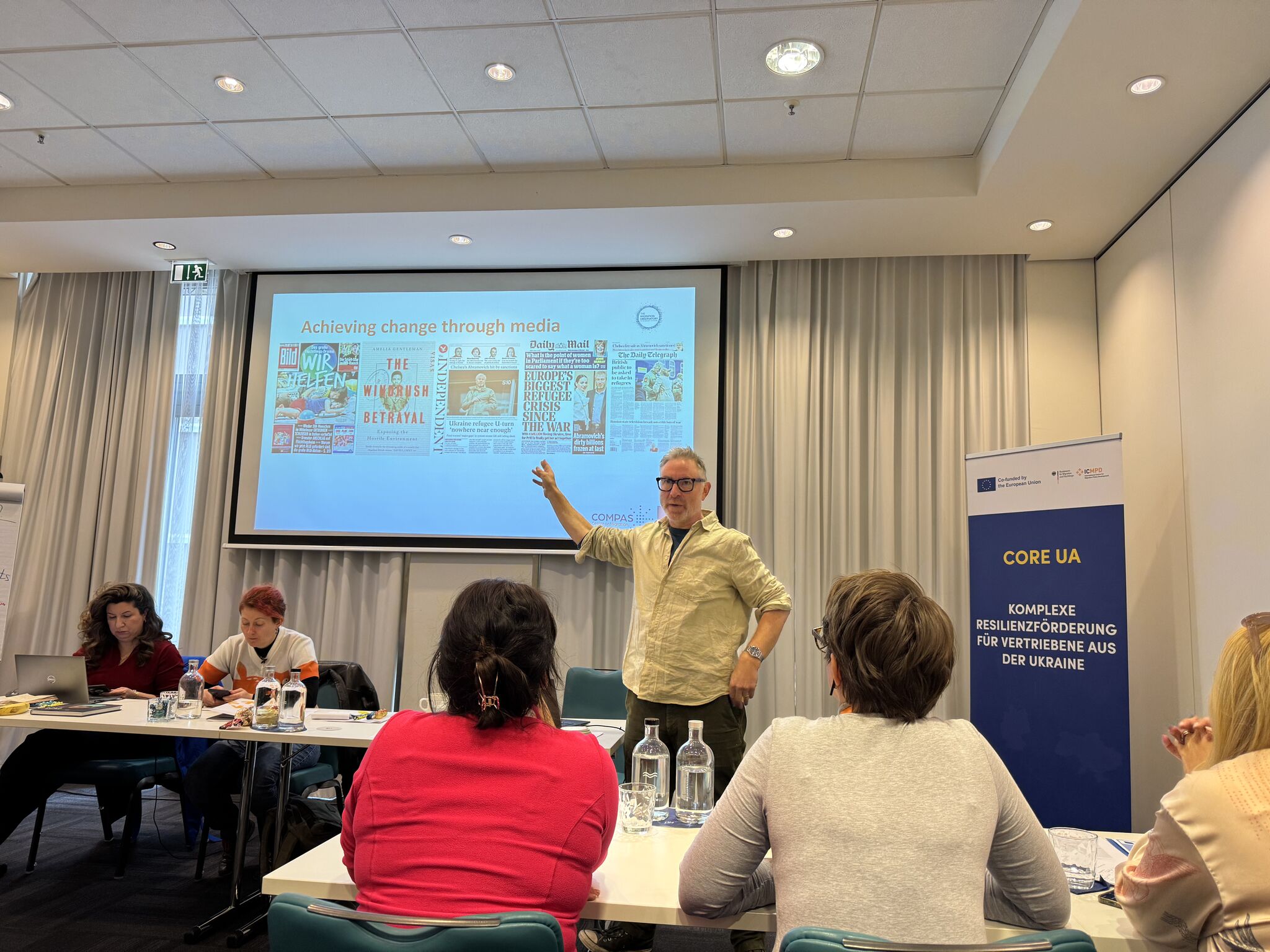
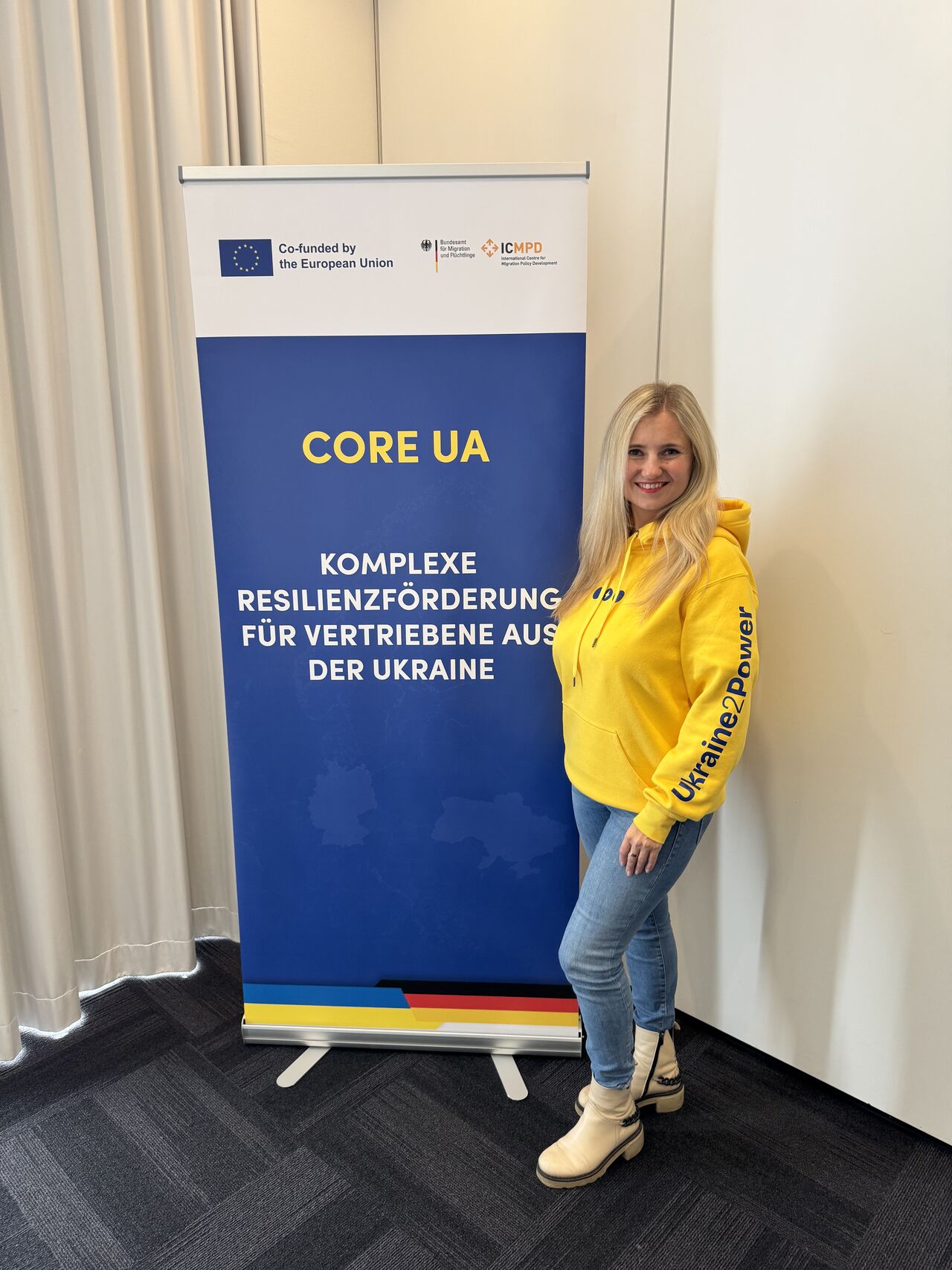
This weekend, Dr. Liudmyla Krivenko had the opportunity to attend a training organised by the International Centre for Migration Policy Development, led by Maria Giedroyc and Magda Sabadello, and to explore this important topic in depth. Together with Maryna Hovorukhina and Robert McNeil, we discussed anti-propaganda strategies and strategic communications, working with real-life cases shared by representatives of Ukrainian NGOs from across Germany.
Now, we’re better equipped to recognize disinformation, respond effectively, and promote truthful, compelling narratives.
What’s been your experience with disinformation and propaganda in the energy sphere?









Also interesting
💙 Some of the Most Moving Distributions of Our Winter Project
As part of Ukraine2Power’s Winter Project, people with hearing and visual impairments received essential support to help them stay warm and navigate daily life during ongoing power outages.

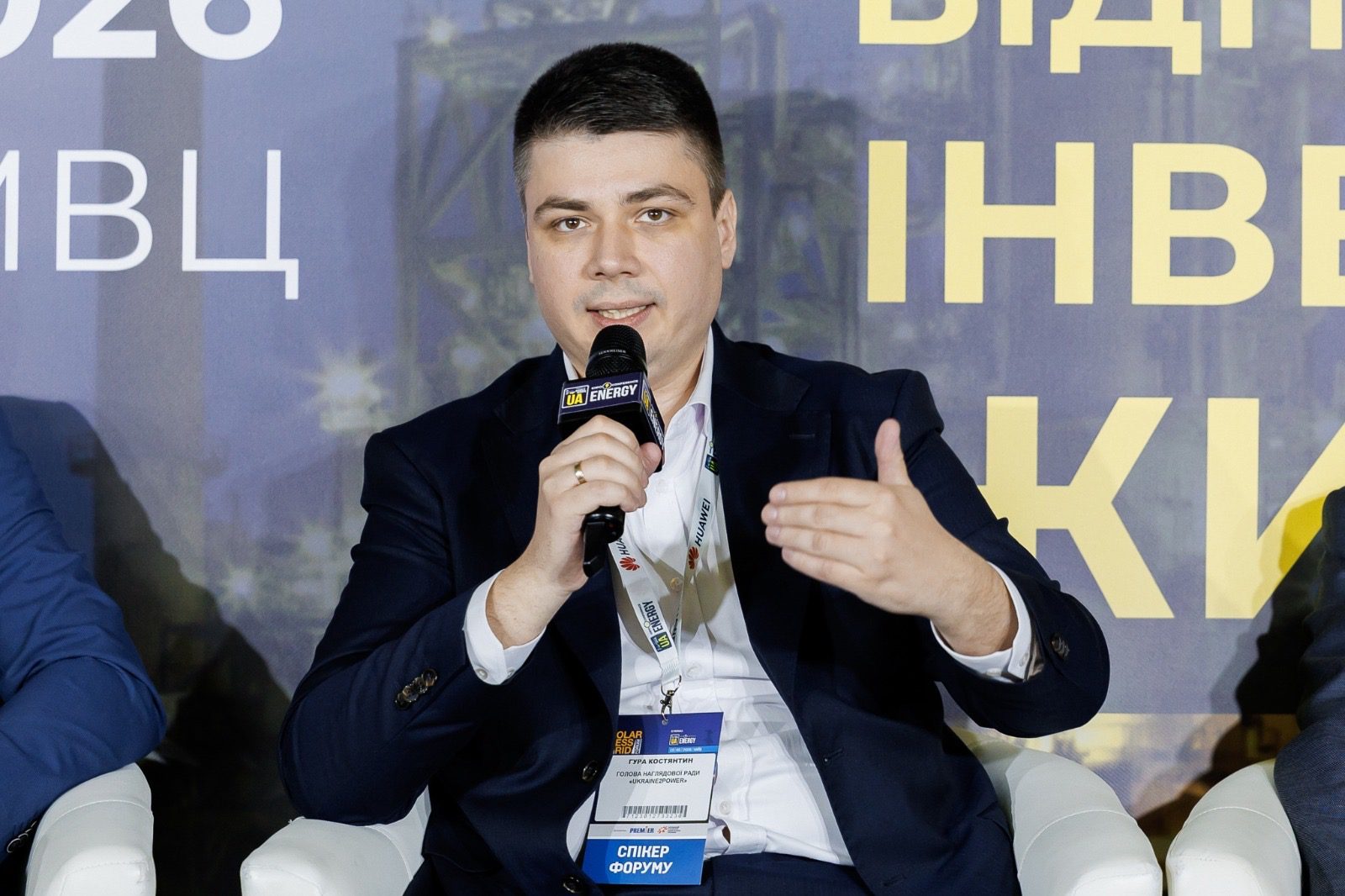
⚡️ Kostiantyn Gura at Solar BESS Grid Forum in Kyiv
At the Solar BESS Grid Forum in Kyiv, Kostiantyn Gura highlighted the role of civil society in helping communities transform energy needs into concrete projects and funding opportunities. A key message was that local ownership and co-financing help attract funding and accelerate implementation.
⚡️🛡️ Ukraine2Power at Energy Security Conference 2026 in Berlin
At the Energy Security Conference 2026 in Berlin, Nataliia Fiebrig discussed how local energy resilience and decentralized solutions can help communities prepare for future crises. The panel emphasized the need to move from emergency response to long-term partnerships and sustainable reconstruction.