Café Kyiv 2026: What Berlin Can Learn from Ukraine About Blackouts and Energy Resilience
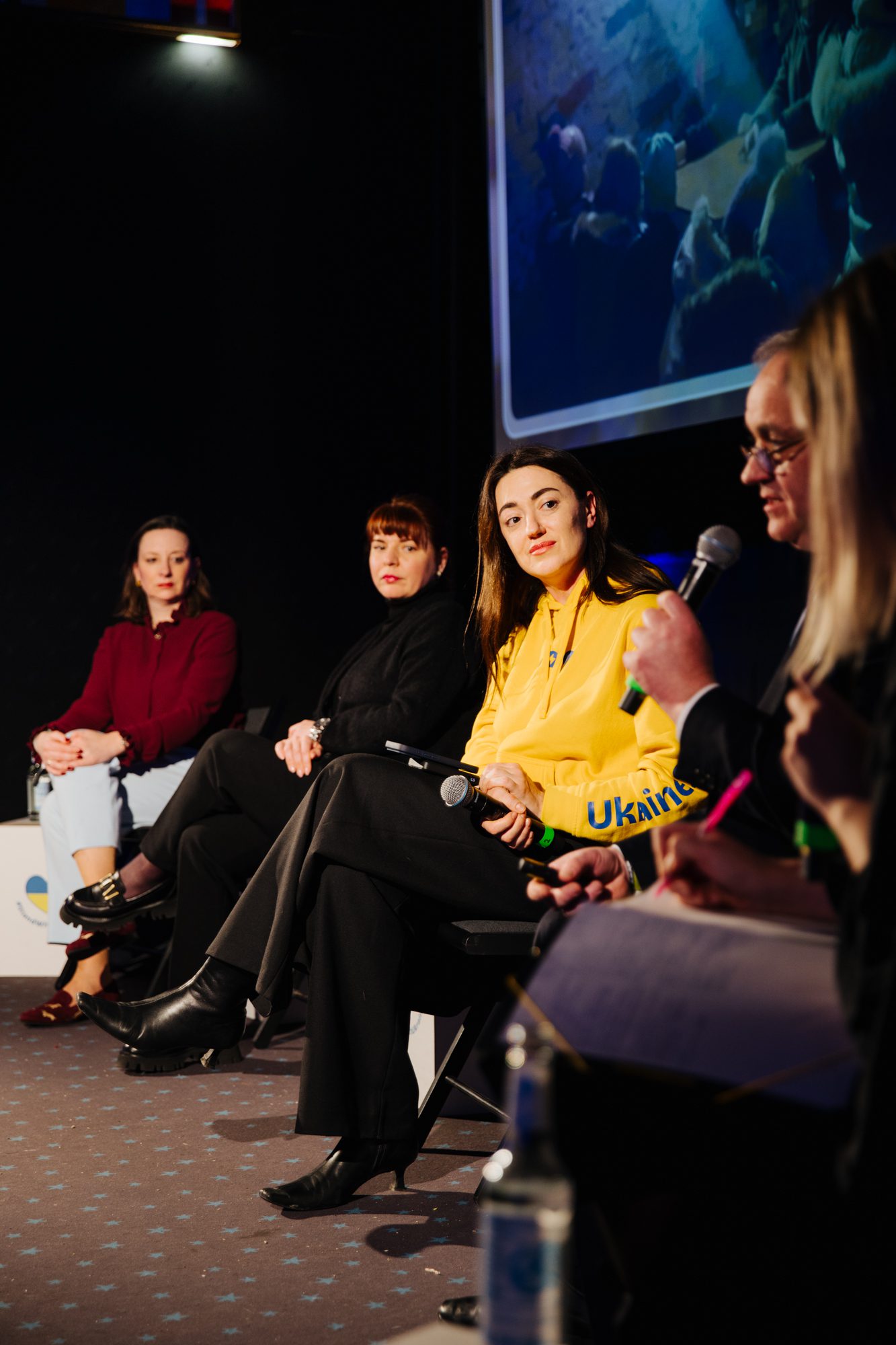
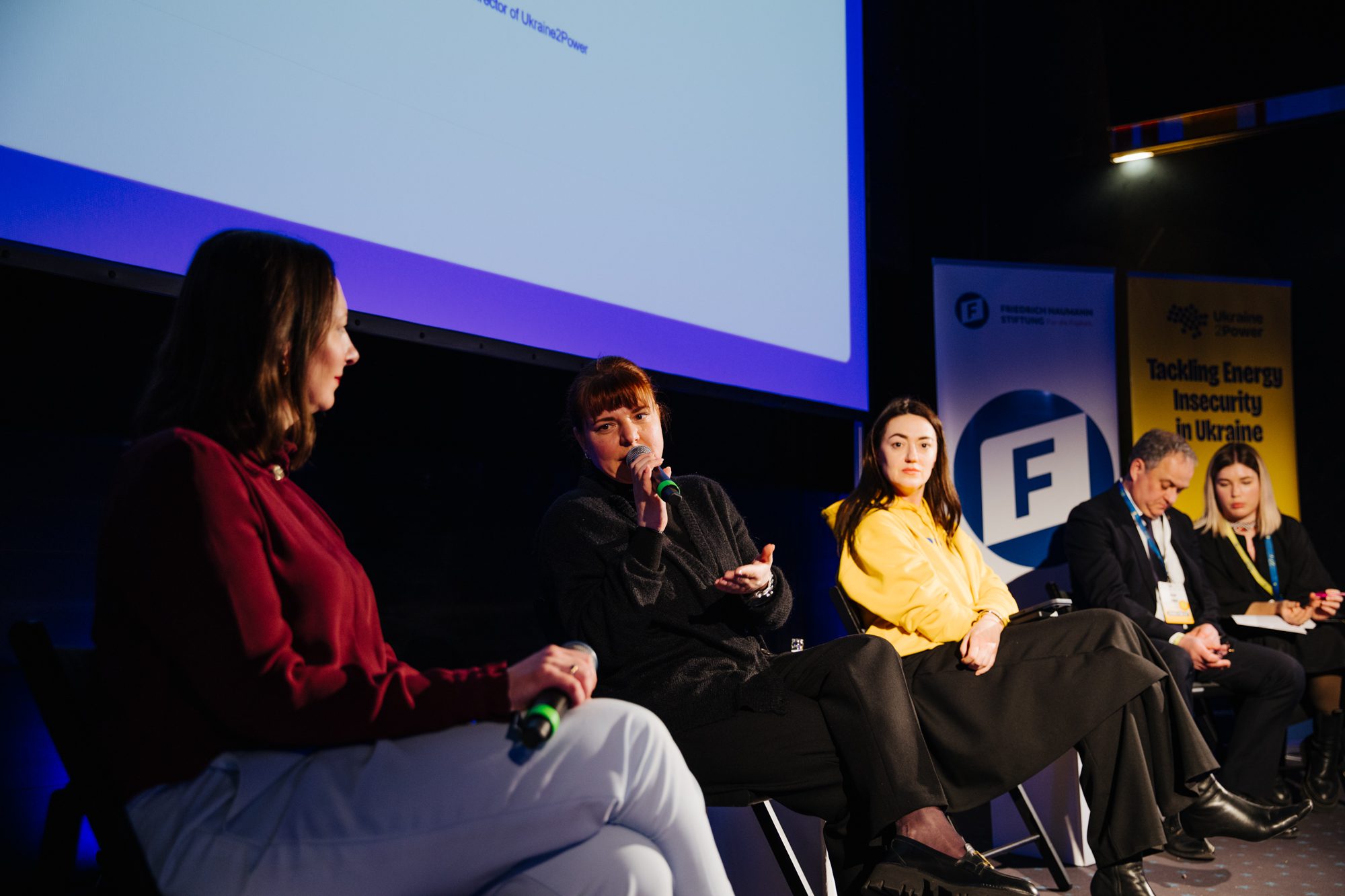
The panel discussion "No Power. No Panic. Blackouts: Lessons from Kyiv to Berlin" at Café Kyiv 2026 highlighted a shared vulnerability: modern societies depend entirely on functioning energy systems. From frontline cities to European capitals, strengthening resilience means protecting energy, water and heating through coordination, investment and decentralisation before the next crisis strikes.
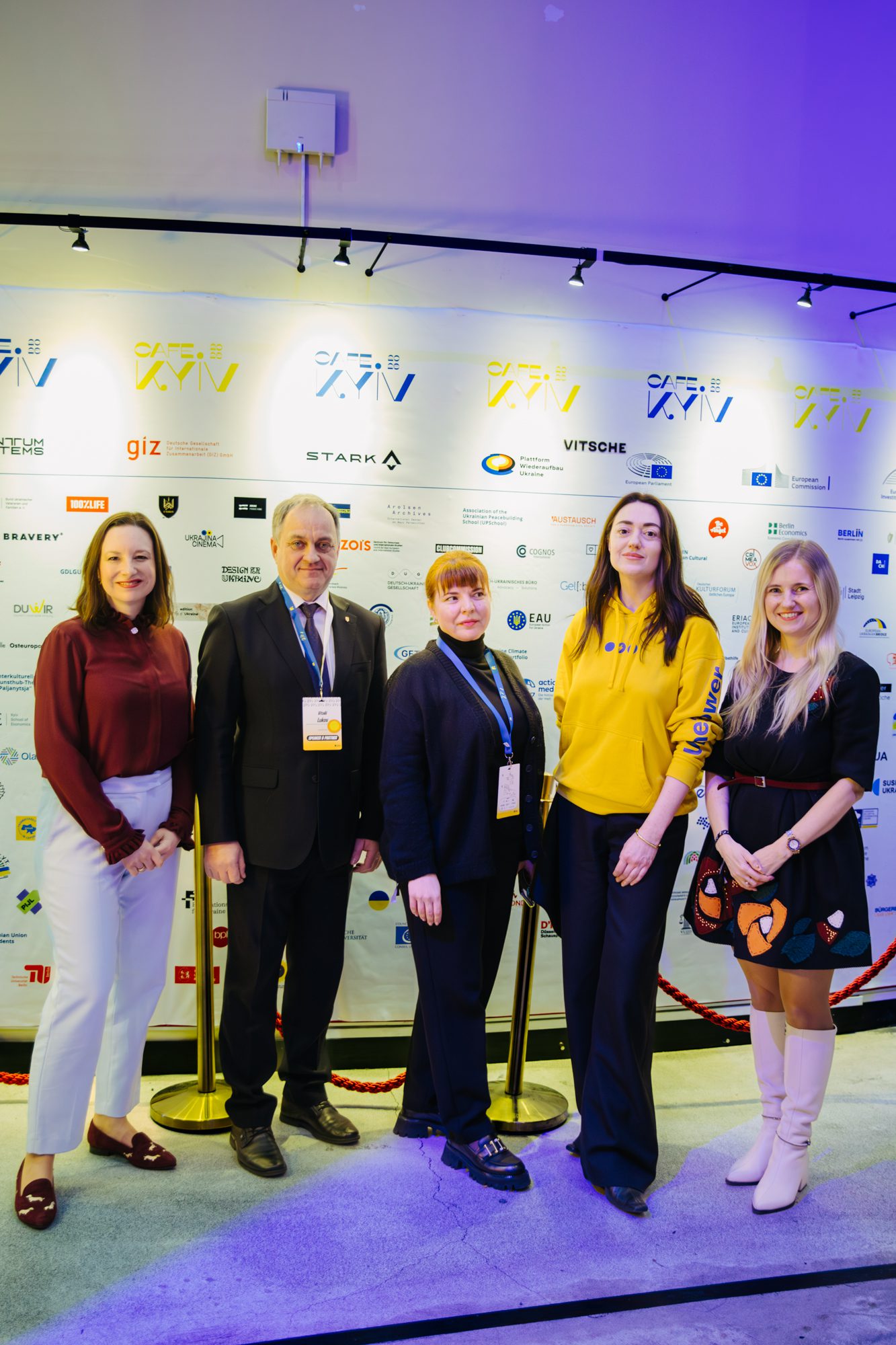
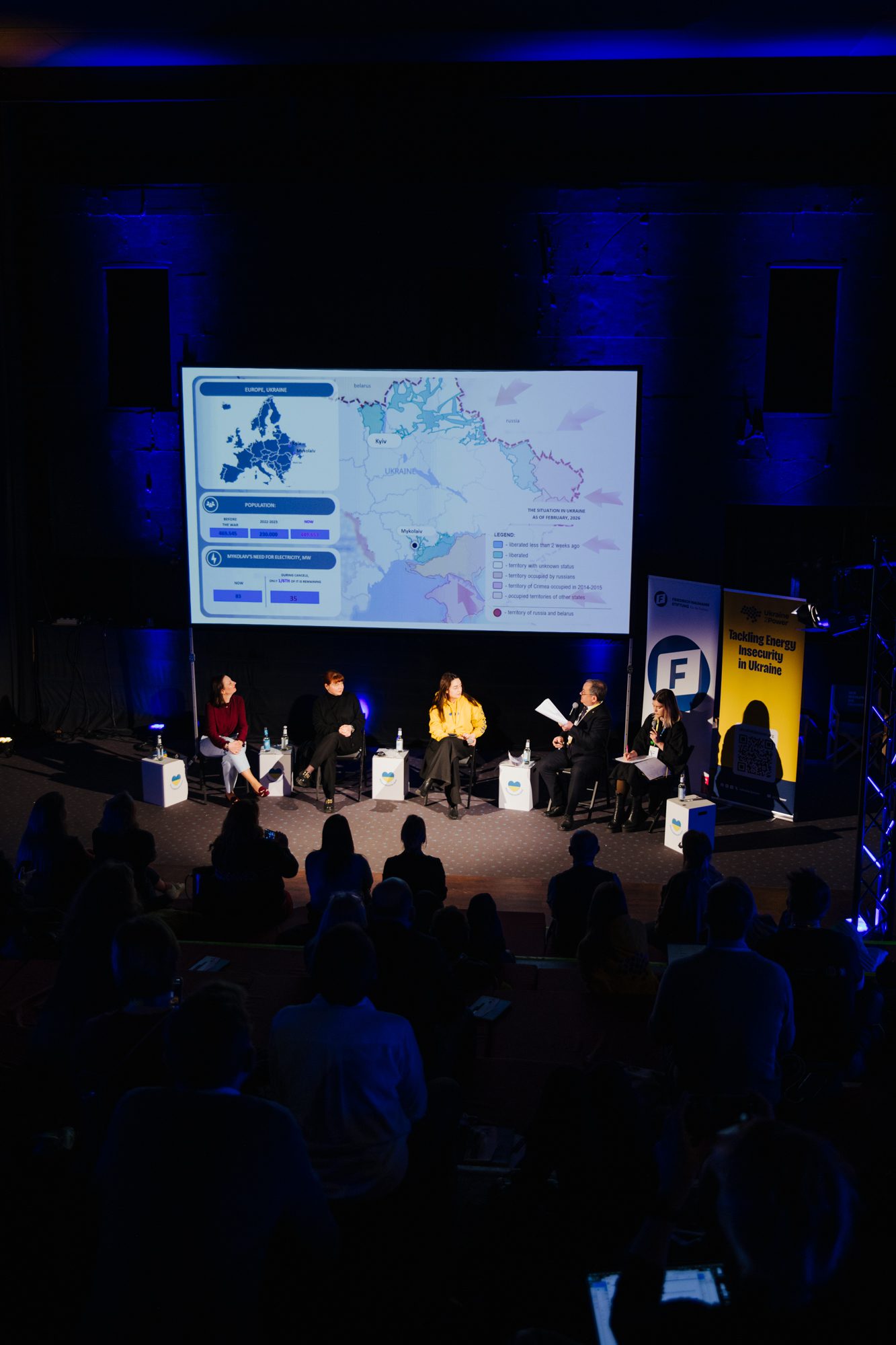
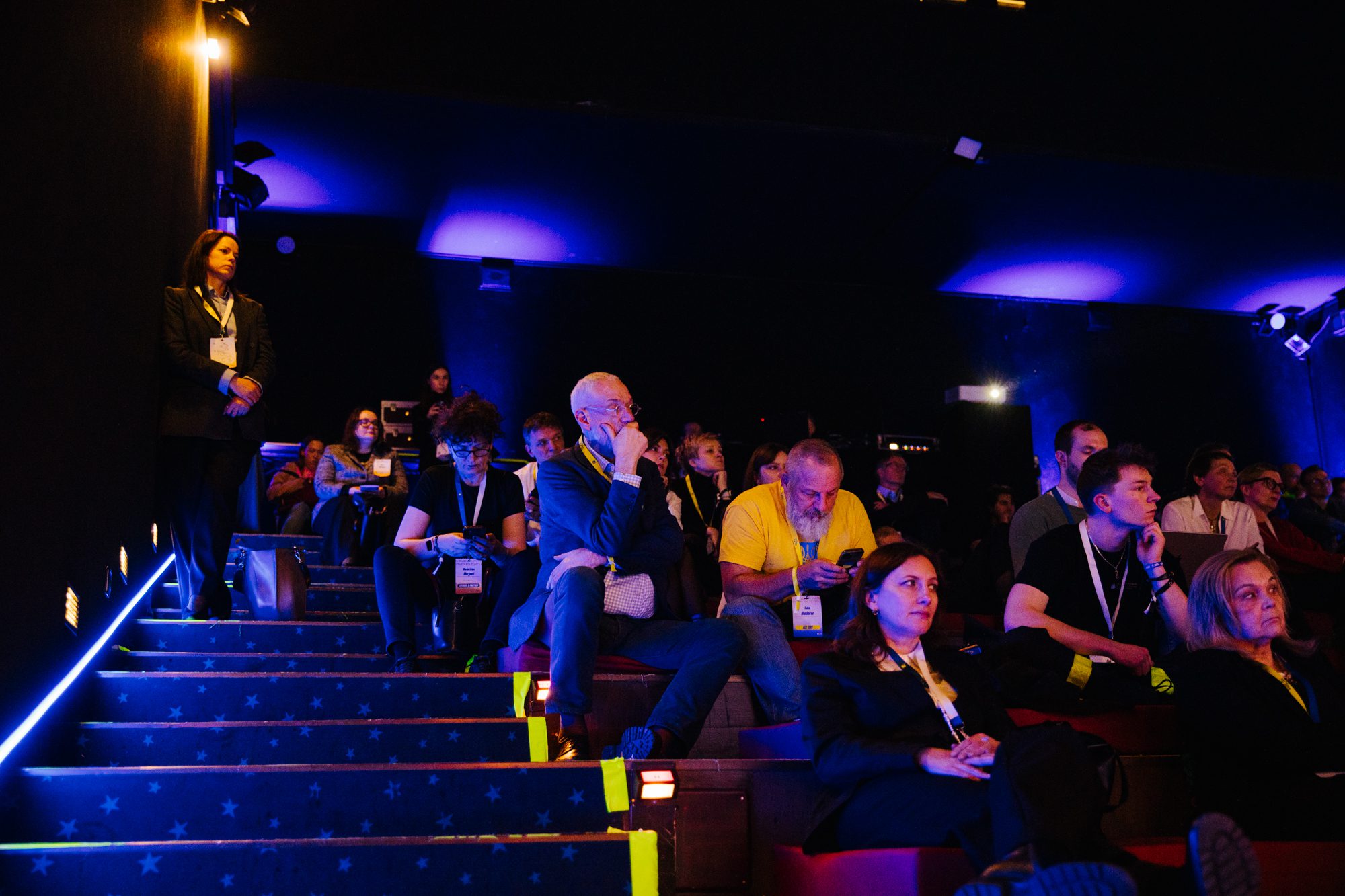
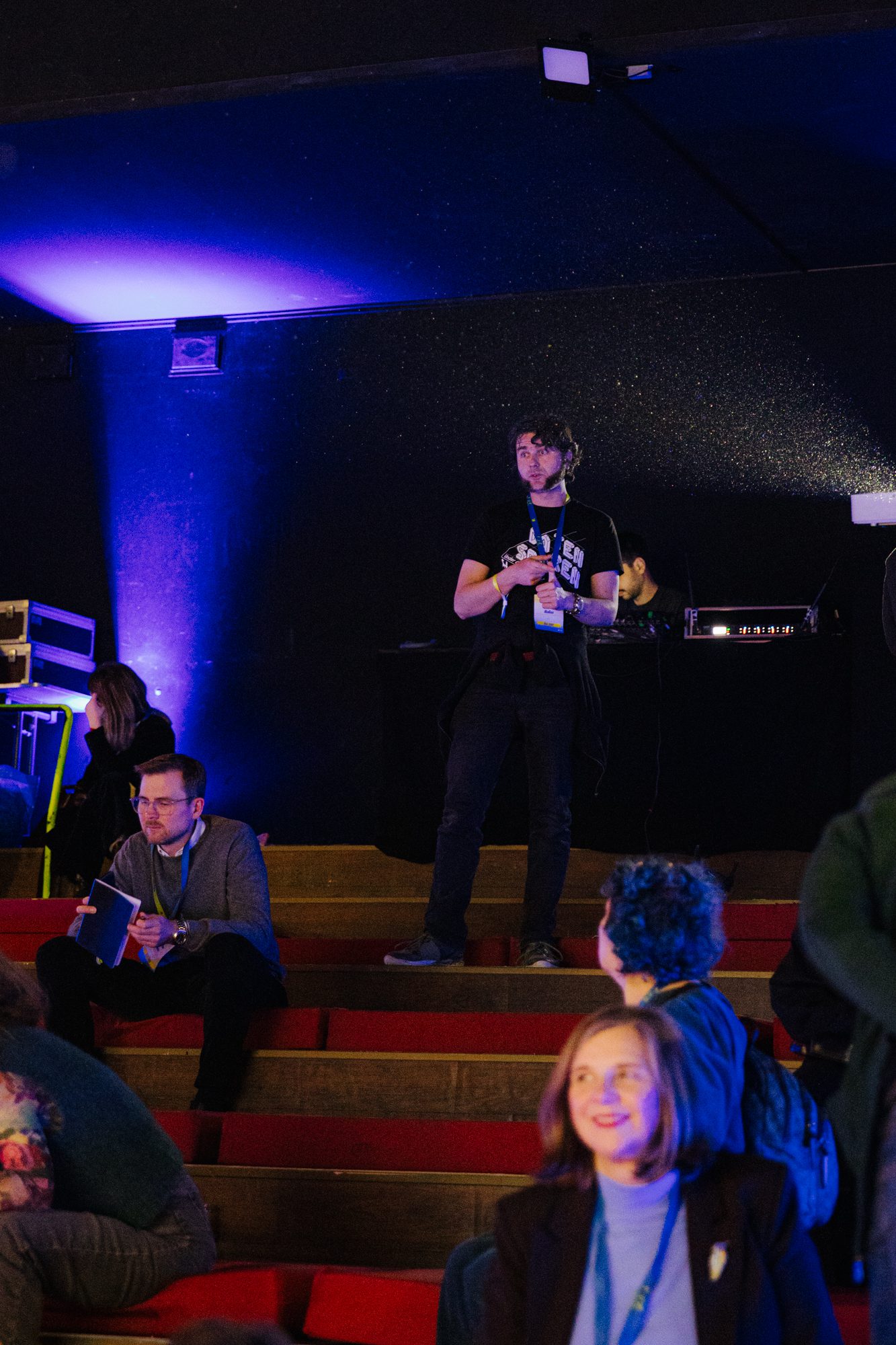
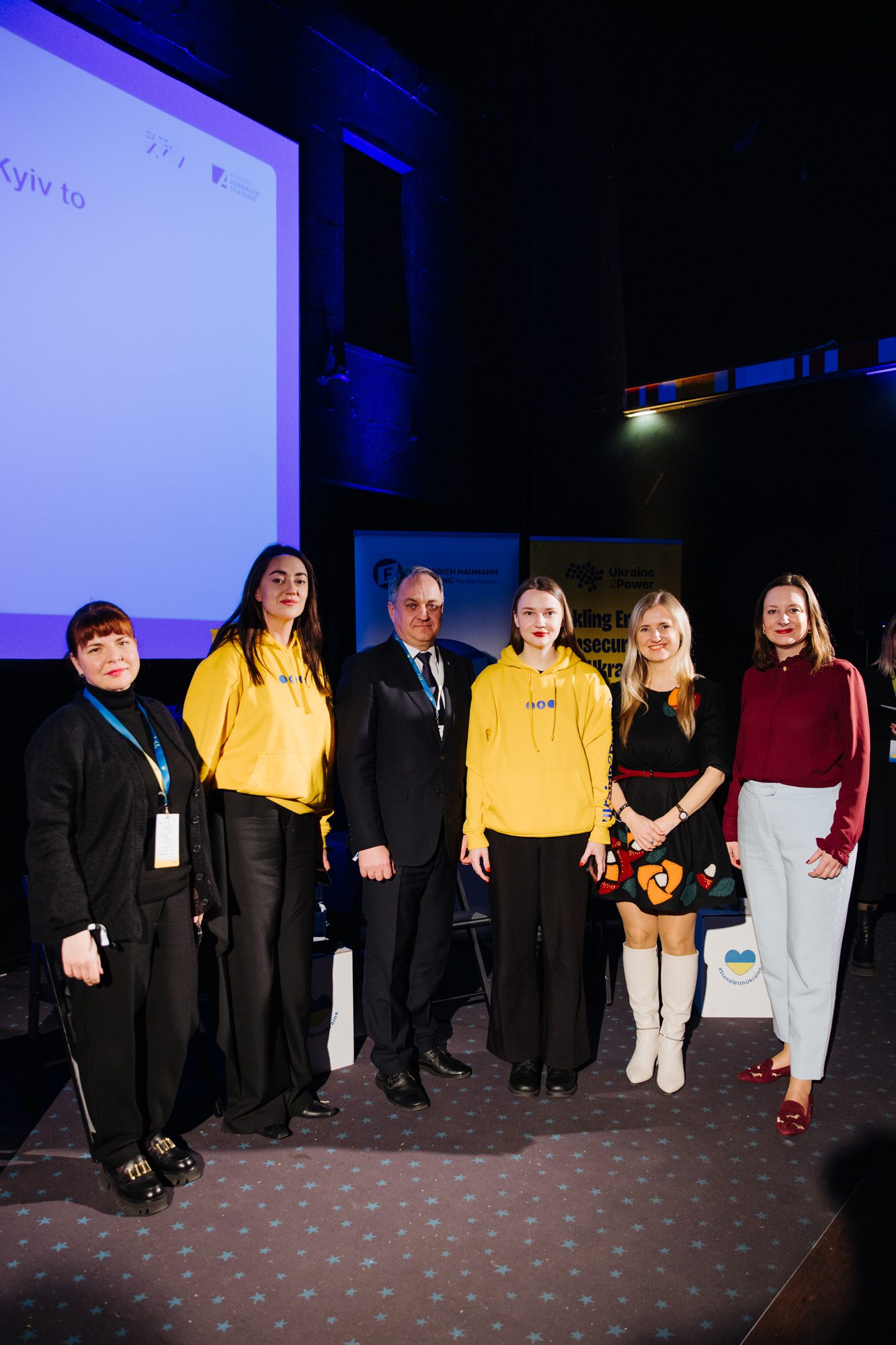
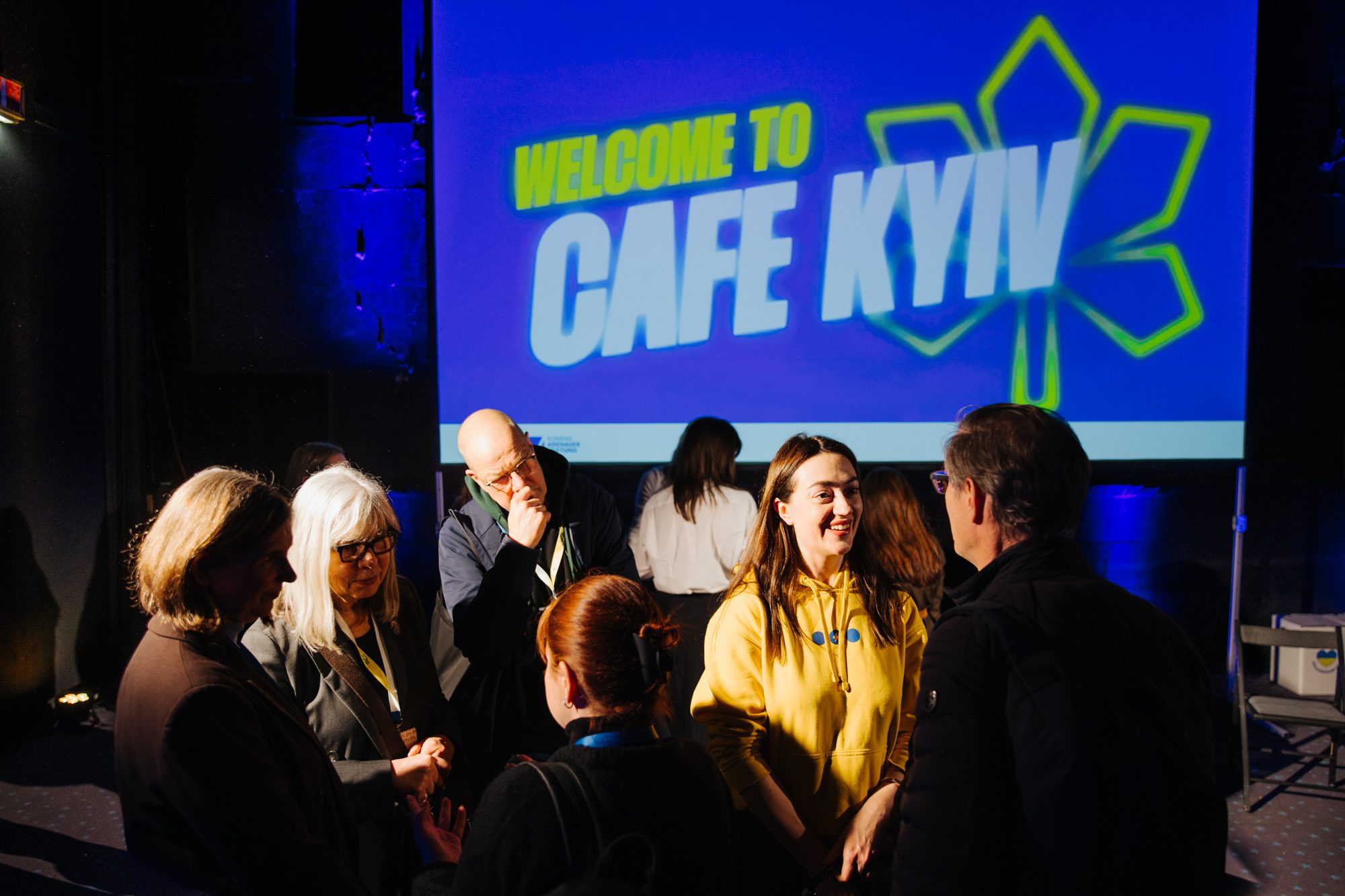
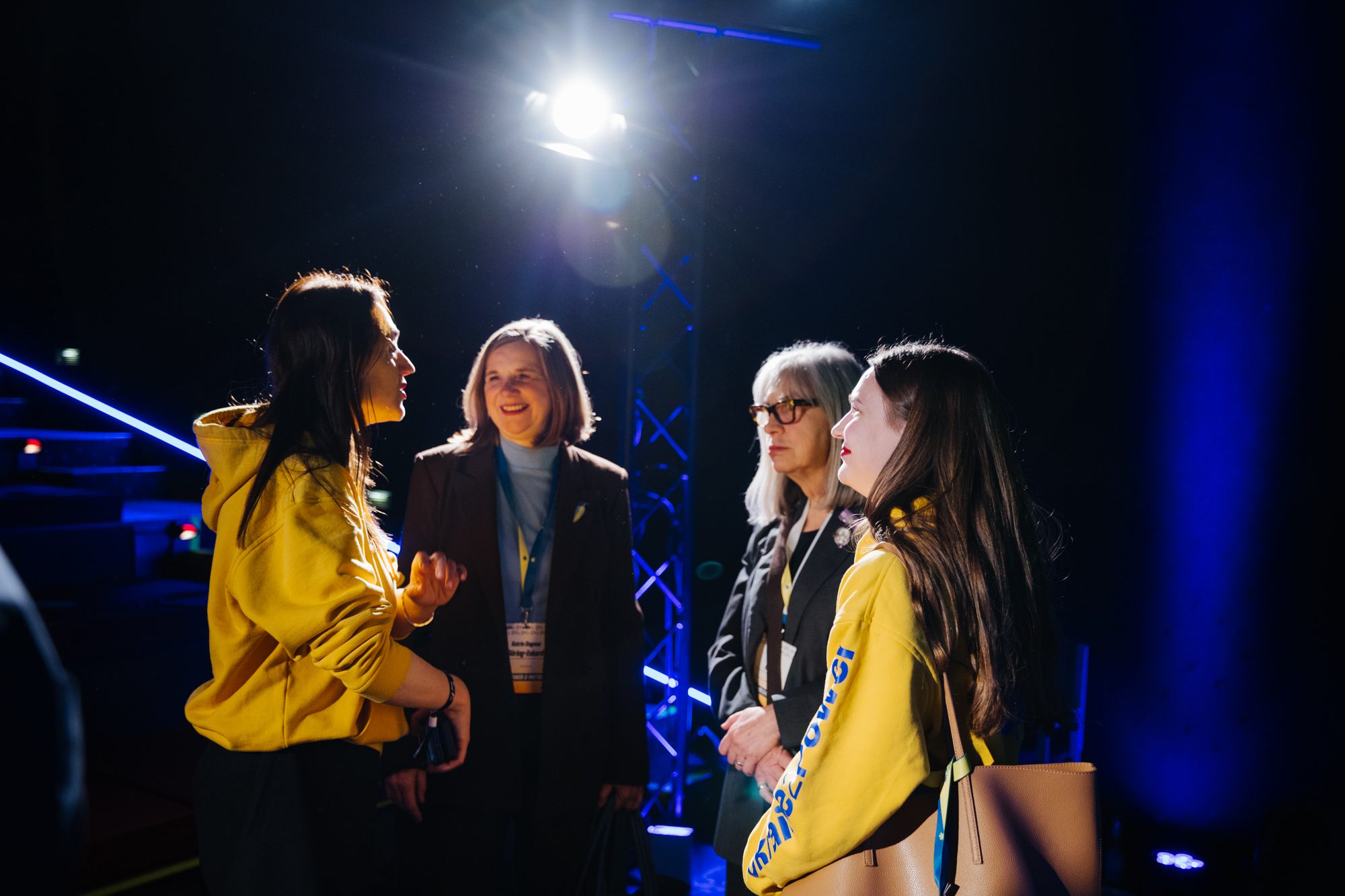
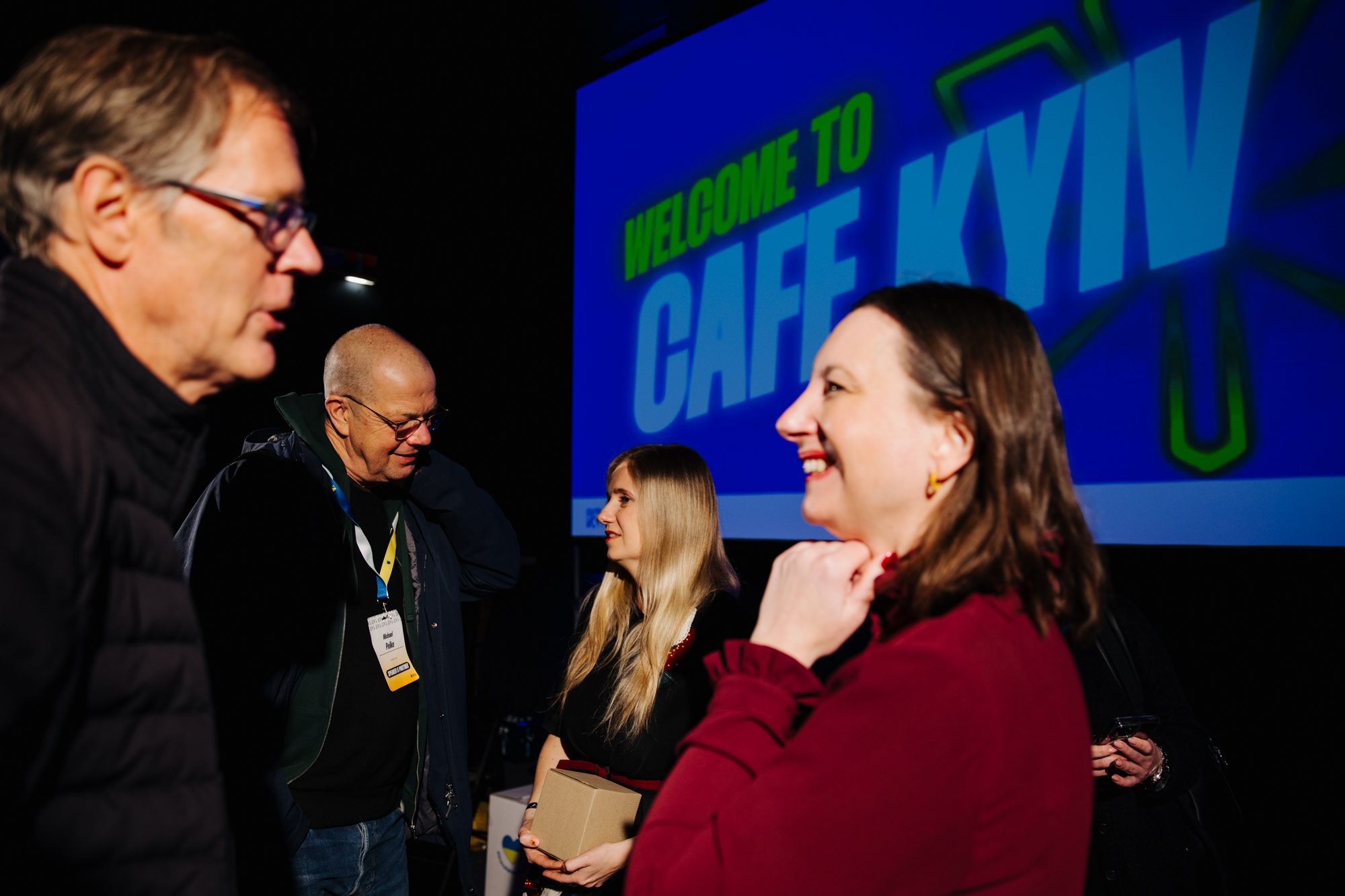
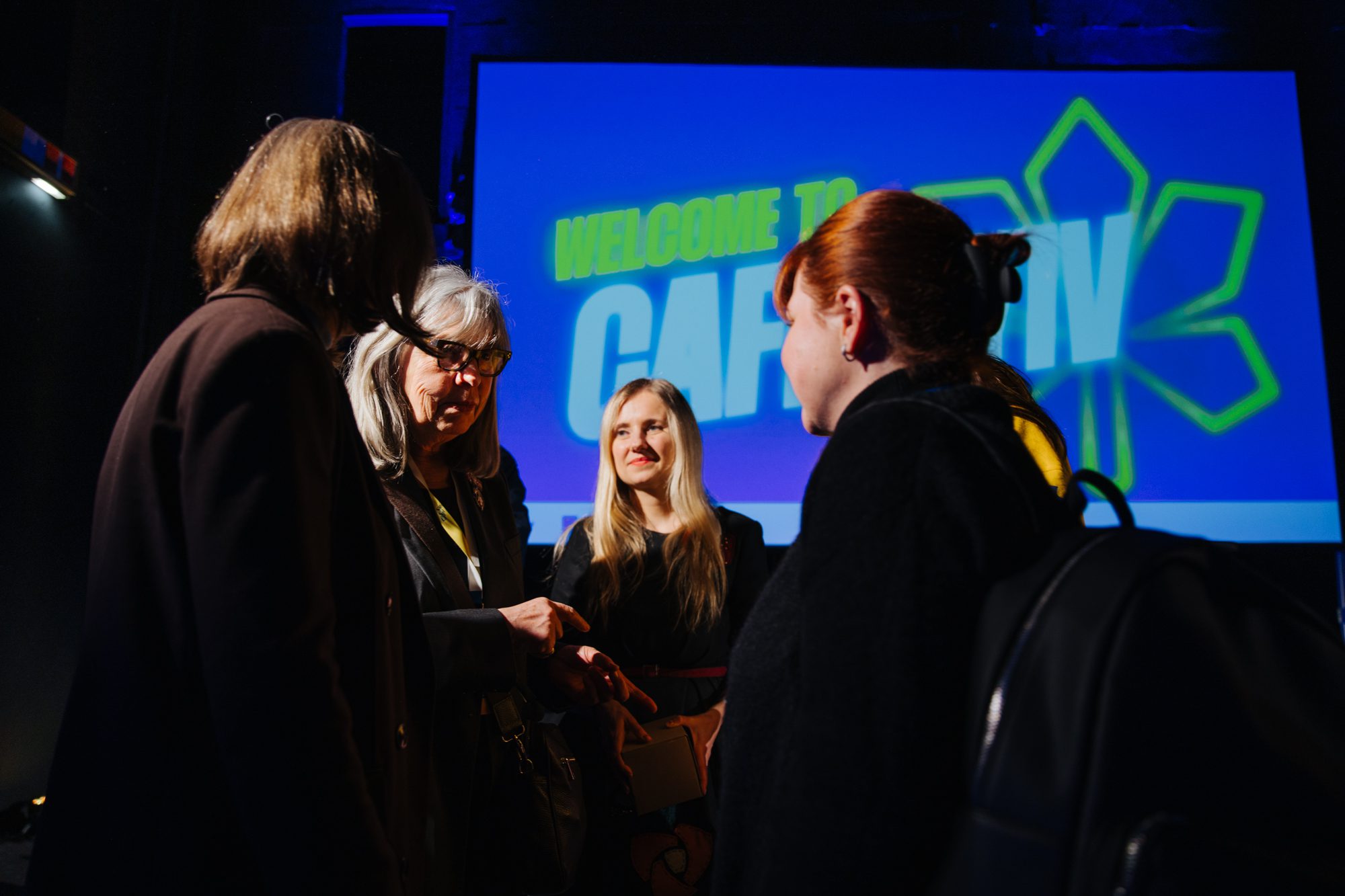
At Café Kyiv 2026, the Ukrainian NGO Ukraine2Power organised a panel discussion on a question that has become urgent for both Ukraine and Germany: how prepared are we when the lights go out? The event was supported by the Friedrich Naumann Foundation for Freedom and the Heinrich Böll Foundation Kyiv.
The idea emerged after the blackout in Berlin in January this year. For many Germans, it was a rare disruption. For Ukrainians, prolonged power outages have been a daily reality since Russia began systematically targeting energy infrastructure. We realised that this experience creates common ground and that Ukraine’s hard-earned lessons can help Europe strengthen its resilience while there is still time.
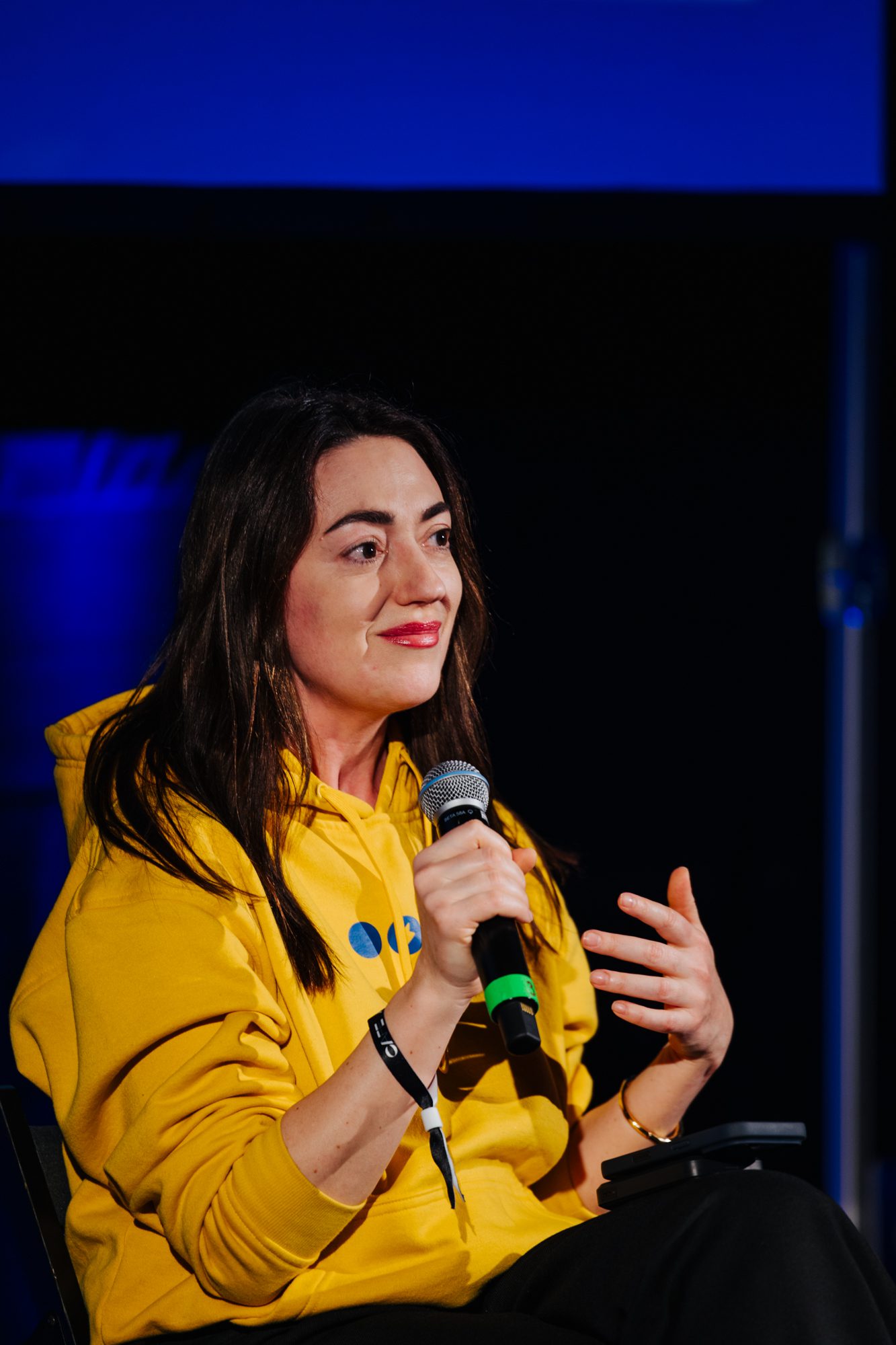
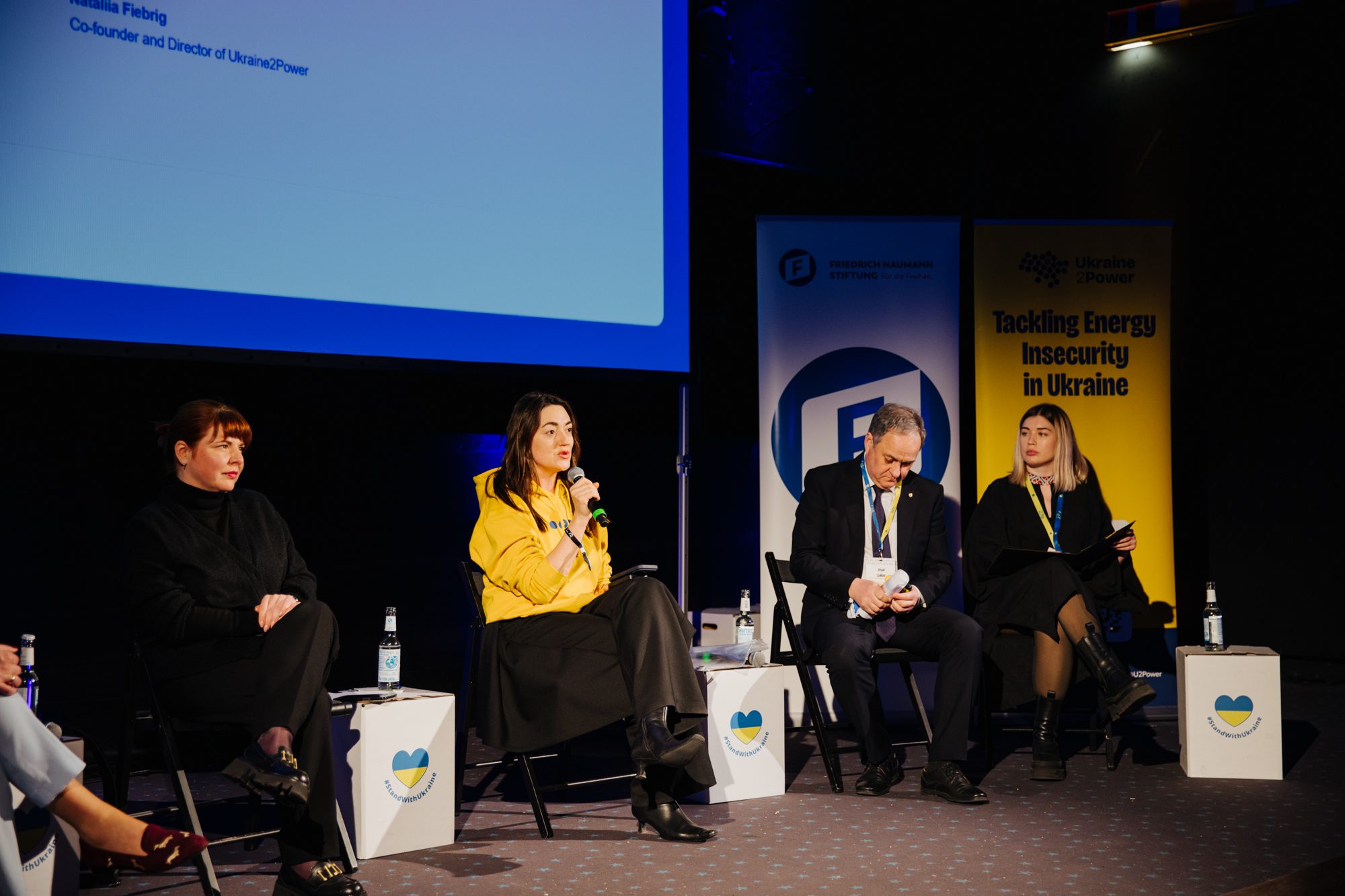
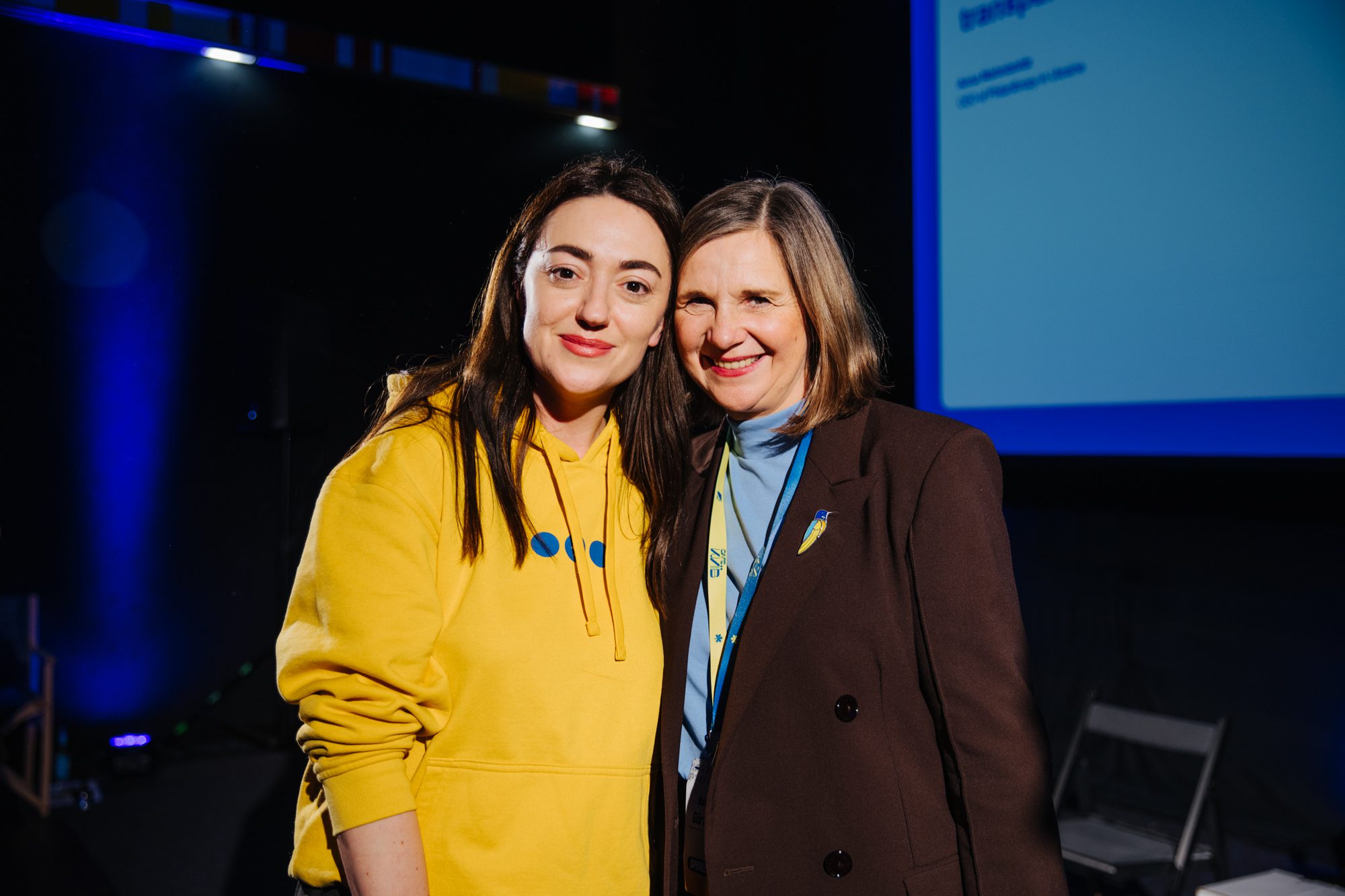
The discussion was moderated by Nataliia Fiebrig, Co-founder and CEO of Ukraine2Power, who emphasised that resilience is no longer a distant issue. “The situation in Ukraine and Berlin is completely different, the background and circumstances are not comparable. But the blackout showed us how essential electricity is to everyday life in Berlin and how quickly everything is disrupted when it fails. That is why, even without war, Berlin and other European cities must take energy resilience seriously.”
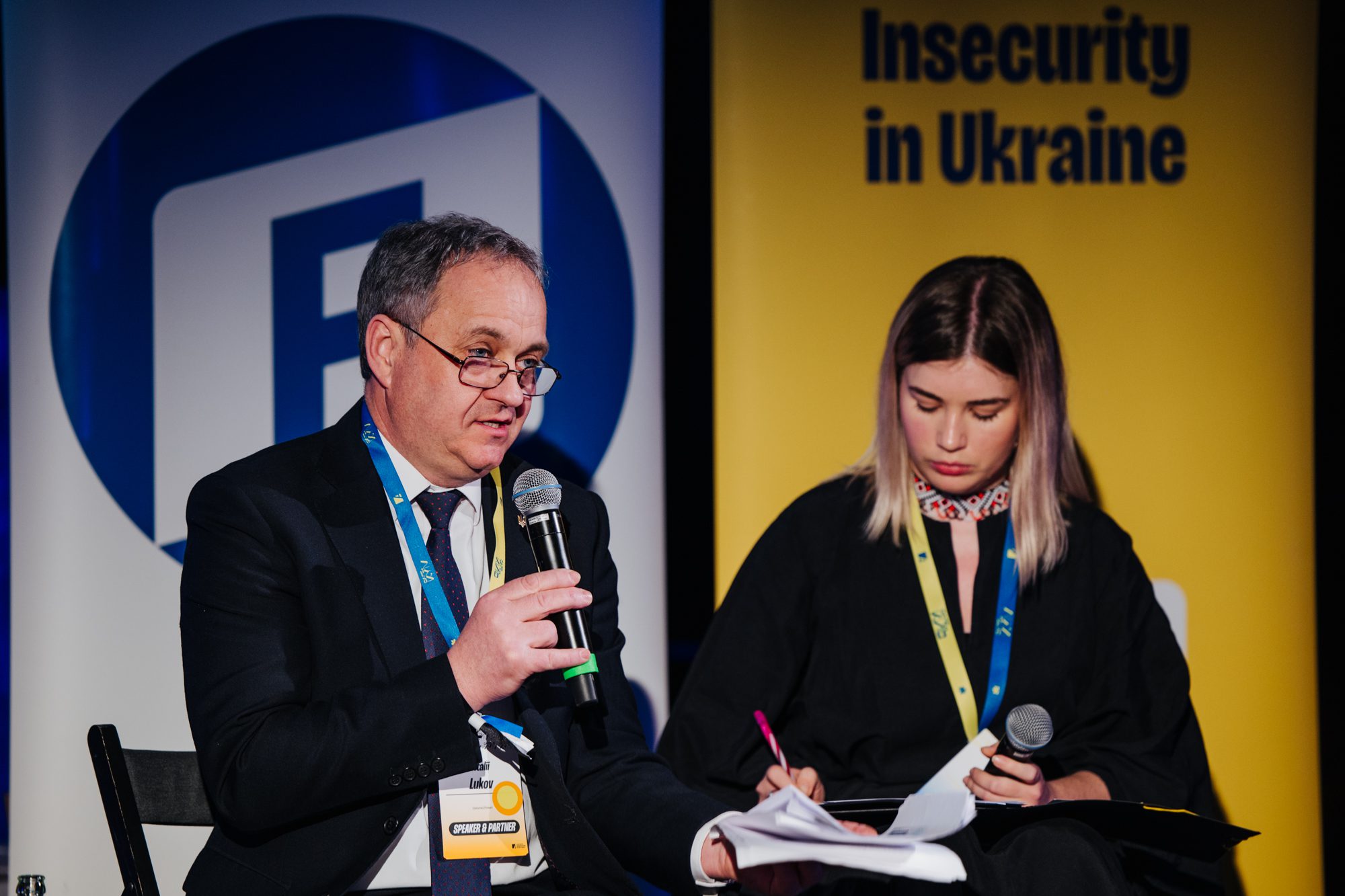
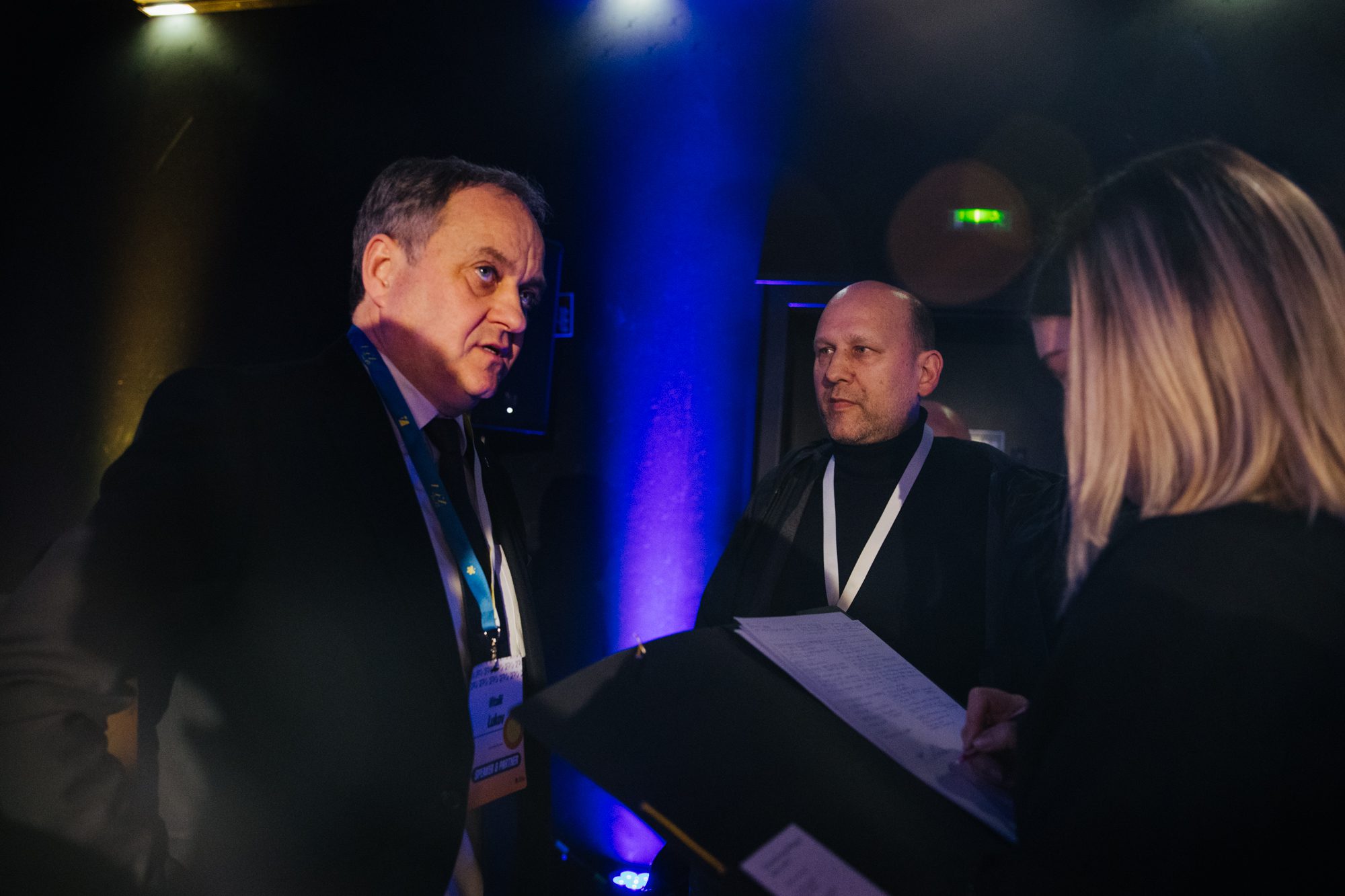
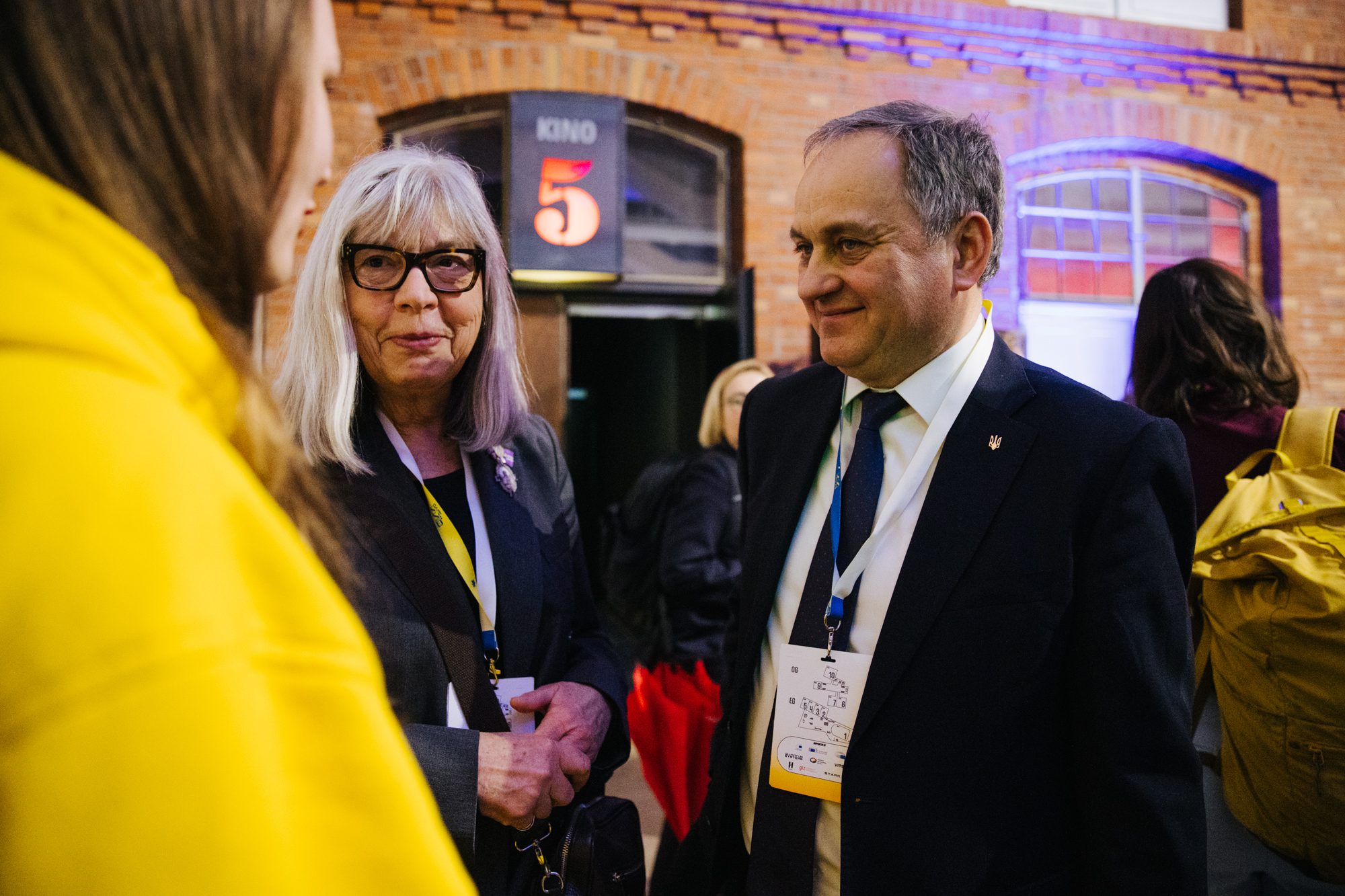
Vitalii Lukov, First Deputy Mayor of Mykolaiv, described what it means to keep a frontline city functioning under repeated attacks on electricity and water systems. “We have three essential things: energy, water and heating. People can cope if at least some of them are functioning. But when two or all three fail at the same time, the situation becomes critical and it becomes extremely difficult for people to stay and get through daily life.”
He explained that these three pillars determine whether people are able to remain in the city. Reliable access to energy, water and heating is what allows communities to function and daily life to continue. When basic services collapse, people are forced to leave, and without people, a city cannot survive. Lukov also expressed gratitude for European solidarity, stressing that support is not only material, military or humanitarian. It is equally about being treated as equals and knowing that Ukraine’s fight is recognised and reciprocated.
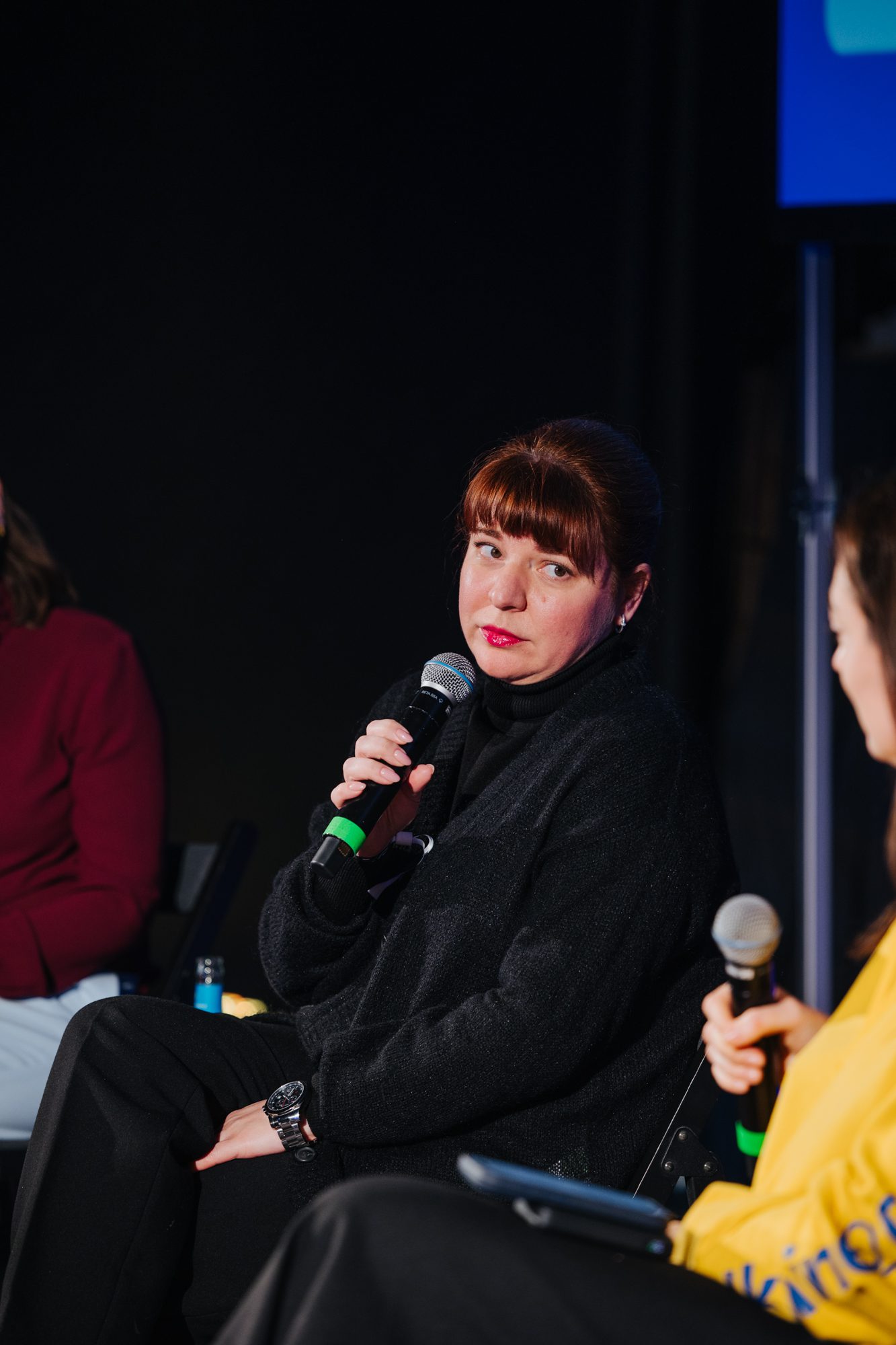
Mariia Tsaturian, Chief Communication Officer at the Ukraine Facility Platform and former Chief Communication Officer at Ukrenergo, highlighted that modern power systems are vulnerable even without war. “Weather and climate change make power systems vulnerable to consumption fluctuations. Automatization and digitalisation of power systems have another side. They are vulnerable to cyberattacks. Power systems are also extremely vulnerable to physical damage such as sabotage.” She referred to data from the Federal Criminal Police Office (BKA) reporting more than 300 acts of sabotage against critical infrastructure in Germany in 2025 alone, including the energy sector. You do not need missiles to destabilise a system — cyberattacks, physical interference and extreme weather are sufficient. She outlined Ukraine’s layered approach to protection, from strengthened physical security to decentralisation of generation, and stressed that Europe still has one major advantage: time to prepare.
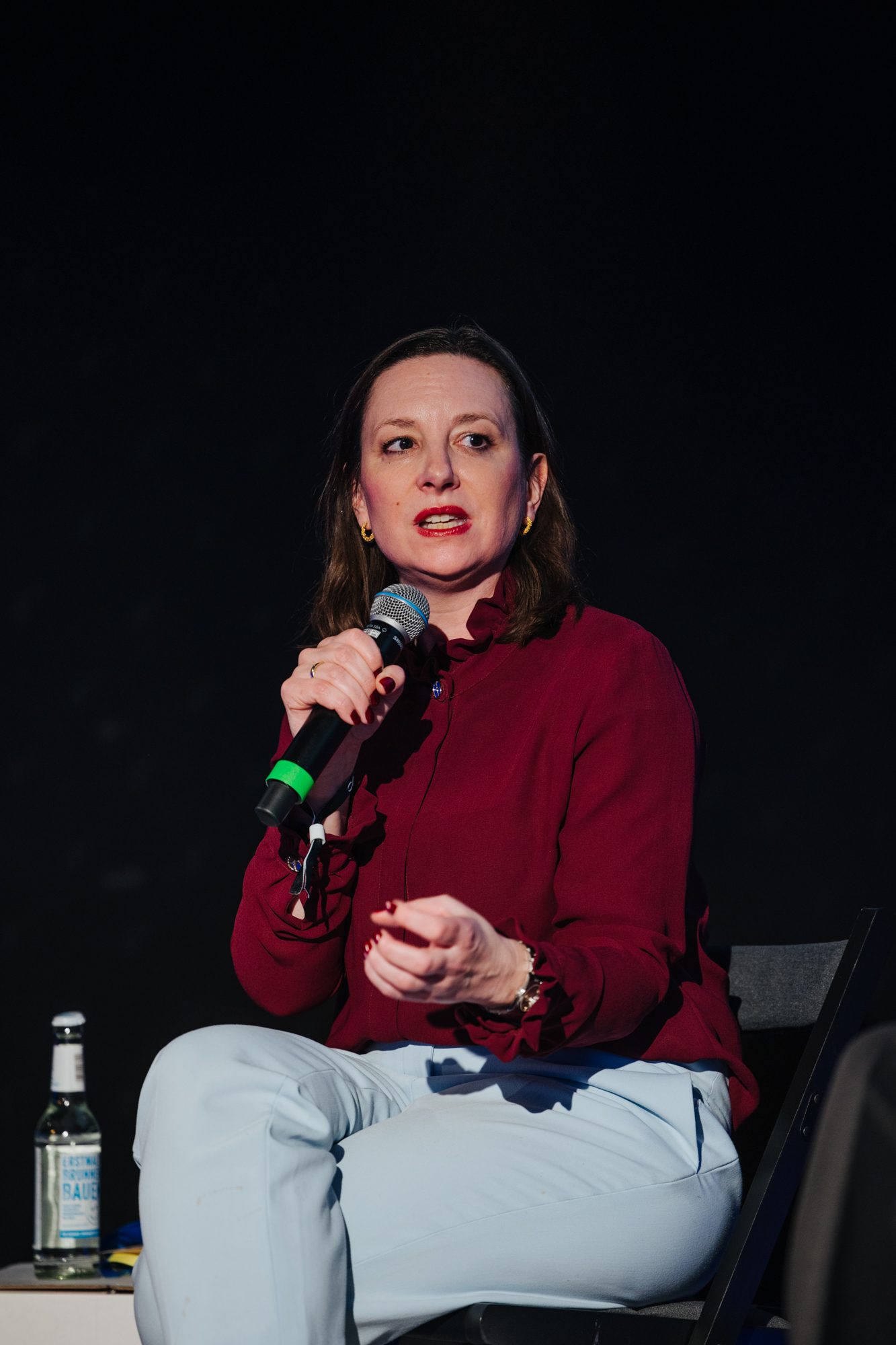
From the German perspective, Dr. Maren Jasper-Winter, Head of Public Affairs at LEAG AG and Member of the Executive Board at the Friedrich Naumann Foundation for Freedom, reflected on the Berlin blackout as a warning signal. “A blackout is a stress test. Berlin’s showed we still lack coordination, clear responsibilities, and practiced emergency plans. Resilience needs training and investment, not only rules on paper.” She emphasised that resilience is as much about governance and coordination as it is about infrastructure. She also stressed that overly complex administrative structures can become a risk factor in crises, as unclear responsibilities slow down decision-making when speed matters most.
The discussion made one point unmistakably clear: energy resilience is not theoretical. When electricity fails, heating, water supply, communication and daily life are affected within hours. Protecting these systems requires layered security, decentralised solutions, trained teams and coordinated institutions and preparedness at both public and household levels.
📸 Antonina Polukhina

Also interesting
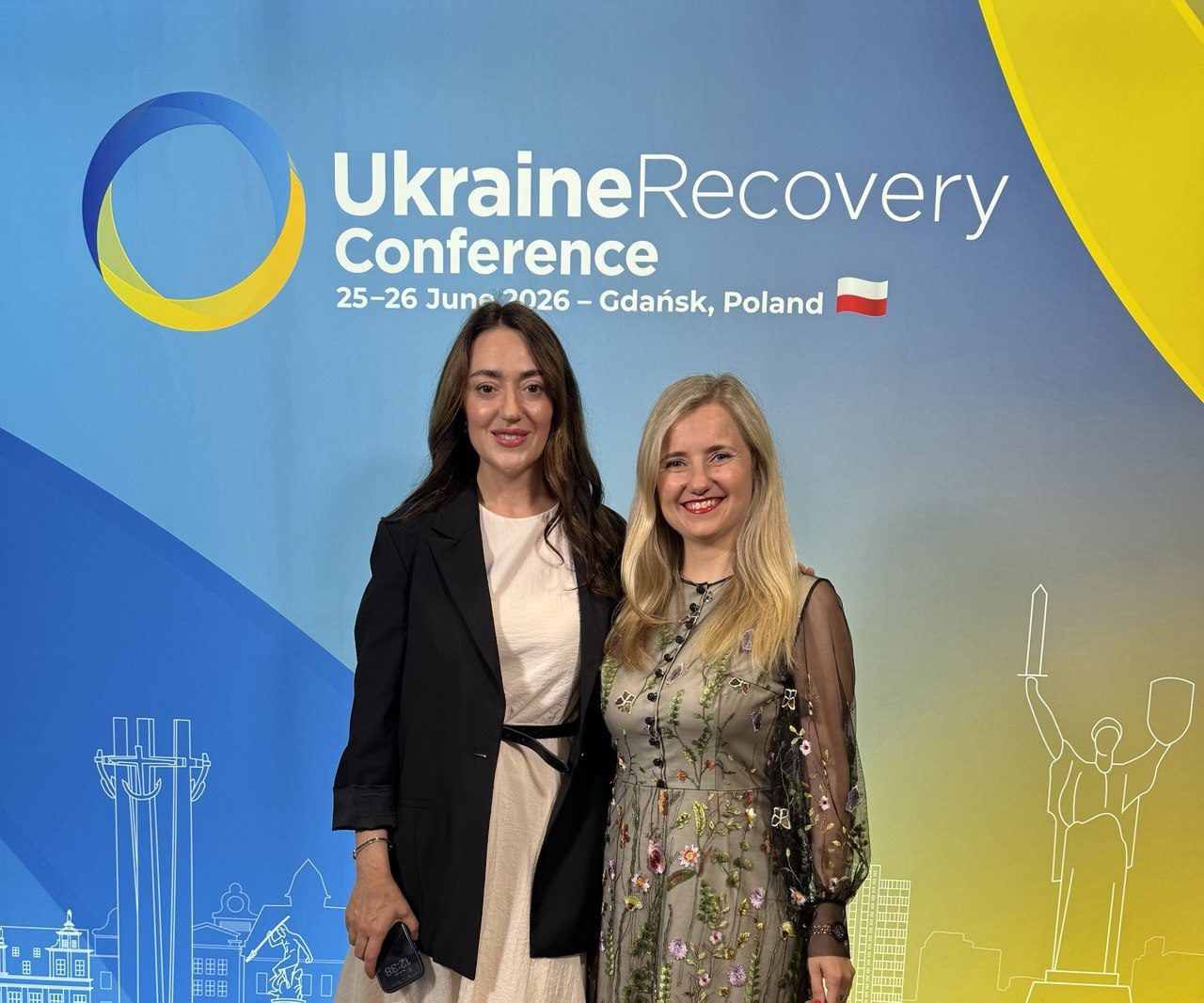
⚡️ Energy, Partnerships, and Communities: Ukraine2Power at URC 2026
Ukraine2Power participated in the Ukraine Recovery Conference 2026 and its side events, highlighting the role of decentralized energy, strong partnerships, and civil society in Ukraine’s recovery. The discussions reinforced a shared message: resilient communities start with resilient energy and long-term international cooperation.
🎤 Nataliia Fiebrig Speaks at the UNDP Green Energy Recovery Programme Side Event
At the official UNDP Green Energy Recovery Programme side event ahead of URC 2026, Nataliia Fiebrig highlighted the vital role of Ukrainian civil society in building international partnerships for the country’s recovery. Drawing on Ukraine2Power’s experience, she emphasized how trust, cooperation, and shared understanding turn solidarity into lasting impact.
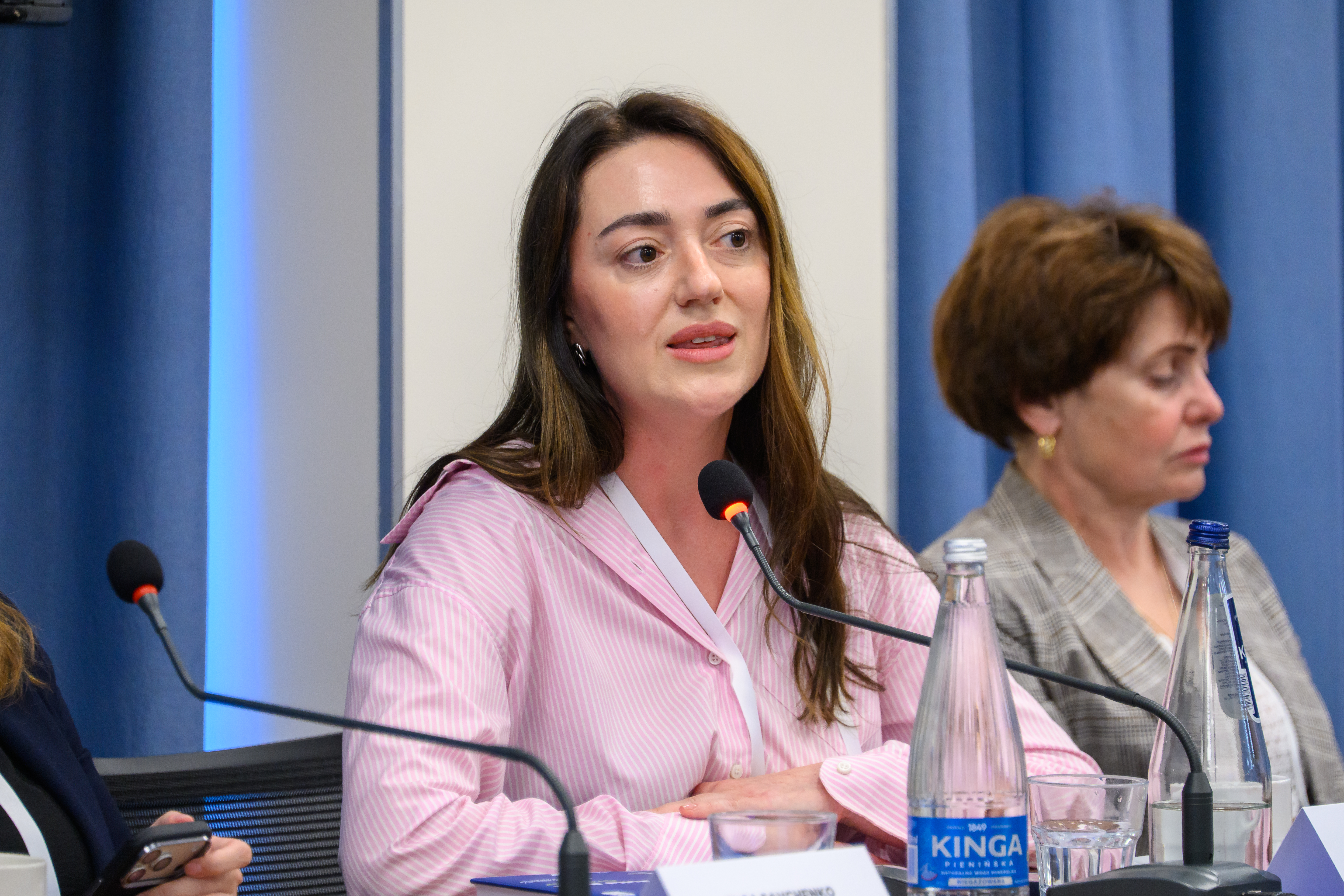
🤝 Ukraine2Power and Ukraine Facility Platform Partner for Energy Resilience
Ukraine2Power and the Ukraine Facility Platform have signed a memorandum of cooperation to advance Ukraine’s energy recovery and strengthen community resilience. The partnership will focus on accelerating decentralized energy solutions, supporting reforms, and attracting investment for Ukraine’s energy future.
